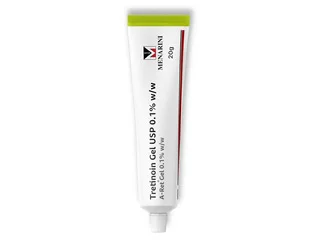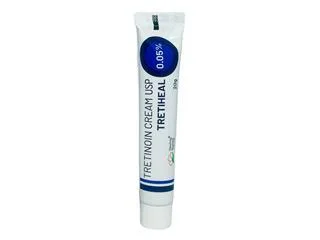
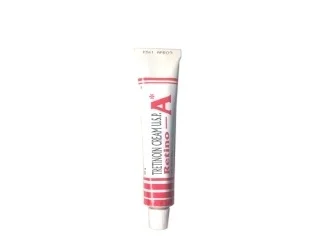
Retin-a Gel
Acne Vulgaris
0.01 · 0.025%
Retin-A Gel is tretinoin at 0.01% and 0.025% in a gel base for acne vulgaris, a vitamin A derivative that speeds turnover of the skin.
From$7.54/ tubeView
Retinoid therapy using Tretinoin (Retin-a) primarily targets common blemishes and surface texture. Rapid cell turnover results in clearer, smoother skin for many individuals.
Acne Vulgaris
0.01 · 0.025%
Retin-A Gel is tretinoin at 0.01% and 0.025% in a gel base for acne vulgaris, a vitamin A derivative that speeds turnover of the skin.
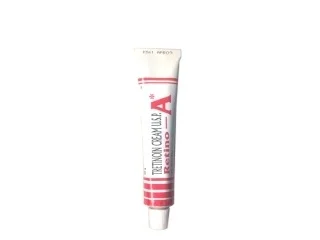
Acne Vulgaris, Photoageing
0.025 · 0.05%
Tretinoin cream at 0.025% and 0.05%, applied for acne vulgaris and photoageing. It normalises keratinisation so microcomedones do not form.
Topical derivatives of Vitamin A, specifically Tretinoin, function by regulating the renewal of epidermal tissues. Multiple brands exist to cater to specific sensitivity levels and skin types, as vehicle delivery systems vary significantly in their composition and absorption rates.
Acne management represents the primary application for this ingredient, specifically through Acne. Further common requirements include treating Photoageing to improve texture and tone. As part of wide-ranging Skin Care routines, the compound facilitates renewal for improved appearance.
Retinoids accelerate the turnover of skin cells to prevent pore blockage. Increased cell production removes dead skin from the surface, while stimulating collagen production underneath to minimize the appearance of lines and textural irregularities.
Multiple brands, including Obagi Tretinoin, Retrieve Cream, and Retino-a, provide flexibility in concentration and texture. Creams work efficiently for dry or sensitive skin due to their moisturizing base, while gels penetrate more readily for oily skin types. Individual patient preference and dermatological goals remain the primary drivers when selecting a delivery form.
Pregnancy status and sensitivity to Vitamin A derivatives require attention before starting application. Verify the concentration matches your specific dermatological needs.
Skin redness, dryness or peeling frequently occur within the initial weeks. Gentle cleansing and gradual introduction reduce these common transitional effects.
Combining with harsh exfoliants or peroxide-based cleansers may increase irritation. Always review how your skin responds when layering multiple treatments.

23 Sept 2026 ⋅ 9 min read
A practical, honest guide to skin care in the Philippines: acne, melasma and pigmentation, fungal problems and sun protection, which treatments are real medicines, and why to steer clear of the risky whitening market.
Read guide