
Naltrexone
Naltrexone is a medication frequently associated with branded preparations like Mysimba and Adepend. It serves as a medicinal tool for supporting patients during recovery and weight control.
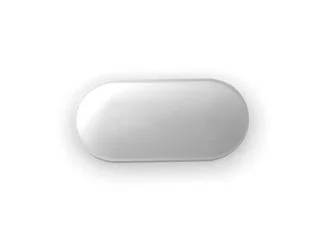
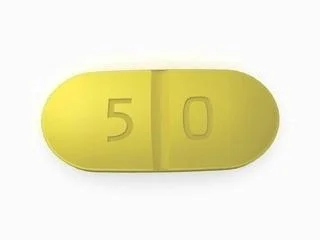
Key points
- By occupying opioid receptors in the brain, it blunts the usual reward response and reduces cravings for alcohol or opioids.
- For weight control, it is combined with diet and exercise, curbing cravings via appetite pathways in the central nervous system.
- Because it can block the effect of opioid pain relief or cough medicines, a clear washout period is needed beforehand.
What is Naltrexone?
Naltrexone is an opioid antagonist medication designed to block the effects of opioids in the body. It works at the receptor level to change how the brain responds to these substances. Various forms, such as prolonged-release tablets and film-coated tablets, exist to suit different therapeutic requirements and metabolic needs for individuals following a specific care plan.
What Naltrexone is used for
This medication is primarily employed as part of a broader therapeutic approach for Alcohol Dependence and Opioid Dependence. By blocking the receptors in the brain that respond to opioids, it serves a distinct function in long-term treatment strategies. Additionally, specific combinations containing this ingredient are utilised for Weight Management when combined with structured diet and exercise plans.
How does Naltrexone work?
Naltrexone functions by binding to opioid receptors in the brain, effectively occupying these sites so that other opioid substances cannot trigger the same chemical response. This mechanism reduces the urge to consume alcohol or opioids, as the typical reward response associated with these substances is blunted. For those using it for weight control, the medication influences appetite regulation pathways in the central nervous system to reduce food cravings.
Naltrexone brands and forms
The range of medicines for this ingredient includes both originator brands and various generic formulations. Patients may encounter different formats such as prolonged-release tablets or standard film-coated tablets, chosen based on the desired duration of action and the specific treatment goal. Selecting the correct preparation relies on the clinical assessment provided by a health practitioner during the evaluation phase.
Safety overview for Naltrexone
What to check before using this medicine
Verify that all current medications and health conditions have been discussed with a clinical provider. Individuals with liver or kidney health factors require monitoring. Review the patient information leaflet included with the product to understand the correct usage parameters.
Possible reactions and tolerability
Common reactions can include nausea, headache, or sleep disturbances during the initial phase of treatment. These effects often settle as the body adjusts, but persistent discomfort should be monitored. Individual tolerance varies based on metabolic factors and the specific dosage form.
Interactions and health factors
This ingredient can interfere with other medications, particularly those containing opioids such as pain relief preparations or cough suppressants. It is essential to ensure a clear washout period from opioid-based substances before starting treatment. Product labelling and verified clinical sources remain the correct references for specific contraindications, interactions and reactions.
Further reading
Related articles

26 Jul 2026 ⋅ 9 min read
What Medicine Can Actually Do About Drinking and Smoking
There is an expat drinking curve nobody names: cheap, social, unobserved, and entirely normal within its own group. What the five medicines honestly do about it, what they do not, and the one thing that is genuinely unsafe to attempt alone.
Read guide