
Alcohol Dependence
Alcohol dependence is a chronic condition in which the body and mind adapt to regular heavy drinking, making it physically and psychologically difficult to stop. It is distinct from occasional heavy drinking: people with dependence experience cravings, tolerance, and withdrawal symptoms when they cut back or quit. It affects millions of people, with higher rates reported where alcohol is deeply embedded in social culture.
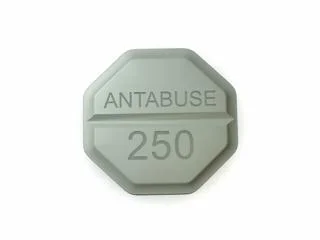
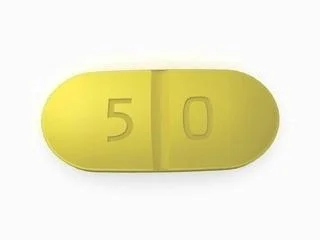

Key points
- Cravings, tolerance and withdrawal symptoms on cutting back mark it out from simply drinking heavily now and then.
- Stopping abruptly without medical support can be dangerous, since removing alcohol may bring on withdrawal ranging from anxiety to seizures in severe cases.
- Disulfiram deters drinking through an aversive reaction, naltrexone reduces the reward and craving, and acamprosate eases restlessness during extended abstinence.
What drives the cycle
Repeated alcohol use alters the brain’s reward and stress circuits, reinforcing the urge to drink while making sobriety feel uncomfortable. Physical dependence develops when the body compensates for alcohol’s sedative effect by ramping up excitatory activity; removing alcohol then triggers withdrawal symptoms ranging from anxiety and tremors to, in severe cases, seizures. This is why abrupt, unsupported stopping can be dangerous, and why medical management matters.
Medicines used in recovery
Several medicines work alongside counselling and lifestyle changes to support long-term abstinence. Disulfiram creates a strong aversive reaction to alcohol, acting as a deterrent. Naltrexone blunts the reward response so that drinking feels less pleasurable, reducing cravings. Acamprosate helps stabilise the brain’s chemistry during extended abstinence, easing the restlessness and anxiety that can trigger relapse. All three are listed in the addiction recovery category.
If you or someone close is experiencing withdrawal symptoms, seek medical attention promptly.
Further reading
Related articles

26 Jul 2026 ⋅ 9 min read
What Medicine Can Actually Do About Drinking and Smoking
There is an expat drinking curve nobody names: cheap, social, unobserved, and entirely normal within its own group. What the five medicines honestly do about it, what they do not, and the one thing that is genuinely unsafe to attempt alone.
Read guide