
Disulfiram
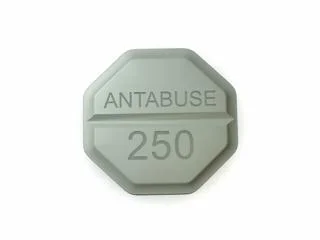
Used predominantly to assist in alcohol abstinence, Disulfiram (Antabuse) supports individuals aiming for sobriety. By interacting with the way the body processes alcohol, this medication facilitates long-term recovery goals. Available formulations of disulfiram are listed below.
Key points
- Acts as a deterrent rather than a cure, working by blocking the enzyme that clears alcohol’s breakdown product from the body.
- Drinking while on treatment may bring on a reaction such as flushing, nausea, a fast heartbeat and headache.
- Liver and cardiovascular health are typically assessed beforehand, since the medicine is unsuitable for certain heart conditions or existing liver disease.
- Hidden sources of alcohol, including some cough syrups and mouthwashes, need to be avoided throughout treatment.
What is Disulfiram?
Found as an aldehyde dehydrogenase inhibitor, Disulfiram acts as a supportive tool in Addiction Recovery. It is not a cure but functions as a chemical deterrent for those who have committed to stopping alcohol intake. Because individuals react differently to medication, it is produced in specific forms to accommodate different preferences.
What Disulfiram is used for
Primarily, this medication is used in the treatment of Alcohol Dependence. It acts by altering the body’s reaction to alcohol. By discouraging drinking through a severe physical response if alcohol is ingested, it supports patients in maintaining their commitment to abstinence during the recovery process.
How does Disulfiram work?
By inhibiting the enzyme that breaks down alcohol, Disulfiram causes the system to accumulate acetaldehyde, a byproduct of ethanol metabolism. This accumulation leads to an immediate and unpleasant physical reaction upon any alcohol consumption. This deterrent effect creates a physiological barrier that serves to maintain sobriety by making the consequences of drinking rapid and highly undesirable.
Disulfiram brands and forms
The primary originator for this medication is Antabuse. Depending on your preference and what is accessible, you may find it in a few variations. It is available as a standard tablet or as an effervescent tablet, which dissolves in water. These different forms allow for flexibility, though the underlying active compound remains the same across all versions.
Safety overview for Disulfiram
What to check before using this medicine
Prior to initiation, a full assessment of liver function and cardiovascular health is standard procedure. Disulfiram is not suitable for individuals with certain heart conditions, liver disease, or those who have consumed alcohol recently.
Possible reactions and tolerability
Common experiences include drowsiness, skin rashes, or a metallic taste in the mouth. A reaction to alcohol intake while on this medication can include flushing, nausea, rapid heartbeat, and headache. These symptoms are a direct result of the medication’s mechanism and can range in severity.
Interactions and health factors
Alcohol must be entirely avoided, including hidden sources such as cough syrups, mouthwashes, and certain foodstuffs. Product labelling and verified clinical sources remain the correct references for specific contraindications, interactions and reactions.
Further reading
Related articles

26 Jul 2026 ⋅ 9 min read
What Medicine Can Actually Do About Drinking and Smoking
There is an expat drinking curve nobody names: cheap, social, unobserved, and entirely normal within its own group. What the five medicines honestly do about it, what they do not, and the one thing that is genuinely unsafe to attempt alone.
Read guide