
Allopurinol
Allopurinol lowers uric acid levels to prevent recurrent gout attacks and kidney complications. The originator brand Zyloric is well established, and you will find Zyloprim listed below. Allopurinol addresses the root cause of excess uric acid rather than just easing the pain.
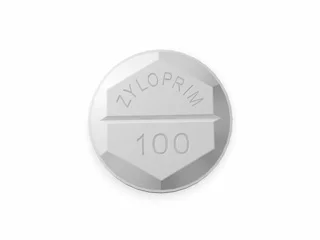
Key points
- Beyond gout, it is also used for hyperuricaemia and for uric acid nephropathy, a form of kidney damage from crystal buildup.
- Starting treatment can briefly provoke a gout flare as uric acid concentrations shift before settling lower.
- It interacts with azathioprine and warfarin, and diuretics taken alongside it may raise uric acid levels instead of lowering them.
What is Allopurinol?
Allopurinol is a pharmaceutical medication that belongs to a class of drugs called xanthine oxidase inhibitors. Rather than treating an active flare, it targets the underlying production of uric acid in the body. This preventative approach reduces the frequency of attacks over time.
Because the patent for the original formulation has expired, multiple manufacturers now produce allopurinol tablets. This breadth of supply has made the medication widely accessible under various brand names.
What Allopurinol is used for
Allopurinol is primarily used for long-term management of Gout, preventing the joint inflammation that high uric acid triggers. It also treats Hyperuricaemia, an elevated uric acid level in the blood that may not yet cause symptoms.
Additionally, the medication addresses Uric Acid Nephropathy, a form of kidney damage caused by uric acid crystal buildup. Lowering uric acid protects kidney function in these cases.
How does Allopurinol work?
Allopurinol works by blocking xanthine oxidase, the enzyme responsible for producing uric acid. By inhibiting this enzyme, the medication reduces the total amount of uric acid circulating in your bloodstream.
With lower uric acid levels, crystals stop forming in joints and the kidneys. Existing deposits may also gradually dissolve, decreasing the likelihood of future inflammation and kidney stones.
Allopurinol brands and forms
Allopurinol is available as a Tablet for oral use. Zyloric is the widely known originator brand, while Zyloprim is another listed option. Different brands contain the same active compound and deliver the same effect, though tablet markings and inert ingredients may vary. You can browse options for Pain Management to compare what is available.
Safety overview for Allopurinol
What to check before using this medicine
Allopurinol is not suitable if you have severe kidney disease or a history of serious skin reactions to the medication. Inform your doctor of any liver or kidney conditions before starting treatment.
Possible reactions and tolerability
Common reactions include skin rash and mild stomach upset. A severe skin reaction, though rare, requires immediate medical attention. Initial treatment may temporarily trigger a gout flare as uric acid levels shift.
Interactions and health factors
Allopurinol interacts with azathioprine and warfarin, which may require dosage adjustments. Concurrent use with diuretics can raise uric acid levels, potentially opposing the intended effect. Product labelling and verified clinical sources remain the correct references for specific contraindications, interactions and reactions.
Further reading
Related articles

23 Sept 2026 ⋅ 10 min read
The Genetic Test Some People Should Have Before These Medicines
A gene variant common across Southeast Asia and rare in Europe turns a few ordinary medicines into a serious risk for a small number of people. Singapore treats testing for it as standard of care. Why Western articles reduce this to a footnote, and why it is the headline here.
Read guide