
Hyperuricaemia
Hyperuricaemia means the blood carries more uric acid than the kidneys can clear. Most people have no symptoms for years, but when urate crystals start depositing in joints or the kidneys, the result can be an acute gout attack or kidney stones. Dietary patterns rich in red meat, shellfish, organ meats, and sweetened drinks, combined with a genetic tendency toward reduced uric acid excretion, make gout one of the most common inflammatory joint conditions.

Key points
- A sudden attack of severe pain and swelling, typically striking the big toe, can be the earliest clue that uric acid has been high.
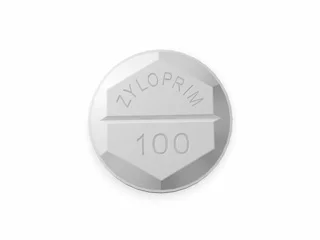
- Allopurinol is the usual first-choice medicine, working by blocking the enzyme xanthine oxidase that produces uric acid in the body.
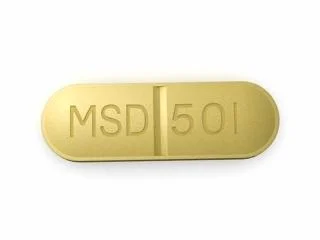
- Febuxostat offers a more selective alternative when allopurinol is not well tolerated, while probenecid instead increases how much urate the kidneys excrete.
What drives uric acid too high
Uric acid is the end product of purine breakdown. When the body produces too much or the kidneys excrete too little, levels climb. Common drivers include a diet heavy in high-purine foods (organ meats, anchovies, beer), dehydration, certain blood pressure medicines, and underlying conditions such as chronic kidney disease or metabolic syndrome. A single acute gout flare, sudden, severe pain and swelling, most often in the big toe, is often the first sign that levels have been elevated for some time.
Bringing levels down with medicine
The goal of treatment is to reduce uric acid steadily to below 360 µmol/L (or lower if tophi are present). Allopurinol is the most widely used first-line agent; it works by blocking xanthine oxidase, the enzyme that produces uric acid. Febuxostat is a more selective xanthine oxidase inhibitor used when allopurinol is not well tolerated. Probenecid takes a different route, it increases renal excretion of urate rather than reducing production, making it useful in under-excreters with adequate kidney function. Any of these may briefly raise the risk of a gout flare when first started, so they are usually introduced at a low dose and increased gradually. Flare management sits in the broader pain management toolkit.
Staying well hydrated and moderating alcohol and purine-rich foods supports whichever medicine is used, but dietary change alone rarely brings levels into the target range once hyperuricaemia is established.