
Gout
Gout is a form of inflammatory arthritis that develops when uric acid accumulates in the blood and crystallises in the joints. Attacks arrive suddenly, often overnight, with intense heat, swelling, and pain severe enough to make even a bedsheet touching the skin unbearable. The big toe is the classic site, though ankles, knees, and wrists are also frequently affected. Gout is one of the most common causes of acute joint pain in adult men, and diets rich in seafood, organ meats, and fructose-sweetened drinks raise population-level uric acid.
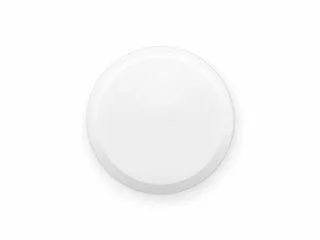
Colchicum Autumnale
0.5mg
Colchicine 0.5mg tablets, used for gout. It blocks tubulin polymerisation, so neutrophils do not migrate into the inflamed joint.
Key points
- Impaired kidney clearance, from dehydration or certain medicines, can let uric acid build up enough to crystallise in joints.
- Colchicine settles the joint’s inflammatory response during a flare without lowering uric acid itself.
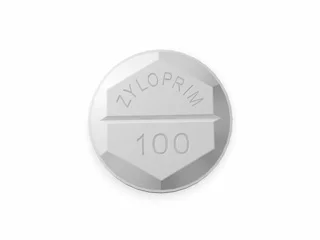
- Allopurinol is taken daily to hold uric acid below the level at which crystals form, as prevention rather than relief.
What triggers a gout attack
Uric acid is a breakdown product of purines, compounds found naturally in the body and concentrated in red meat, shellfish, and alcohol (especially beer). Fructose from soft drinks raises uric acid independently of purines. The kidneys clear most uric acid, so anything that impairs kidney function, including dehydration and certain medicines, can tip levels high enough to cause crystal formation. Obesity and metabolic syndrome are additional risk factors, and gout frequently clusters with high blood pressure and type 2 diabetes.
Managing gout: stopping attacks and lowering urate
Acute attacks are typically managed with anti-inflammatory medicines; pain-management options on the catalogue include colchicine, which works by reducing the inflammatory response to uric acid crystals rather than lowering uric acid itself.
Long-term control aims at keeping blood uric acid below the crystallisation threshold, usually below 360 µmol/L. Allopurinol is the most widely used urate-lowering medicine and is taken daily as a preventive rather than for acute relief. Febuxostat is an alternative for people who do not tolerate allopurinol, and probenecid works differently by increasing uric acid excretion through the kidneys.
Dietary changes support drug therapy but rarely replace it in established gout: cutting high-purine foods, limiting alcohol, staying well hydrated, and losing weight where relevant can all reduce attack frequency.
When to get help
A first attack of joint swelling, redness, and severe pain should be assessed by a doctor to confirm it is gout and not septic arthritis, which is a medical emergency with overlapping symptoms. During a very severe attack, or if a joint becomes infected, same-day medical care is needed.
Further reading
Related articles
23 Sept 2026 ⋅ 10 min read
The Genetic Test Some People Should Have Before These Medicines
A gene variant common across Southeast Asia and rare in Europe turns a few ordinary medicines into a serious risk for a small number of people. Singapore treats testing for it as standard of care. Why Western articles reduce this to a footnote, and why it is the headline here.
Read guide