
Adapalene
Adapalene is a topical retinoid used for persistent acne. Available under the brand Differin and as generic formulations such as Adapalen, it works directly on the skin to prevent blocked pores and reduce breakouts. The gel form makes it easy to apply precisely to affected areas.
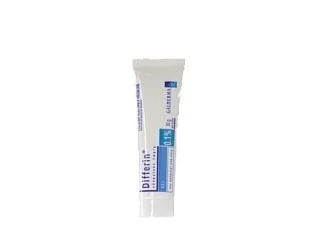
Key points
- Compared with older retinoids, adapalene is more chemically stable and tends to irritate the skin less while still targeting acne-causing cell turnover.
- It suits both blackhead-and-whitehead type acne and the more inflamed, red form of breakouts.
- Formulated as a gel rather than a cream, it spreads thinly and suits oilier skin types better than heavier bases.
What is Adapalene?
Adapalene belongs to a class of medications called retinoids, which are derived from vitamin A. Unlike some older retinoids that irritate the skin more readily, adapalene is chemically stable and targets specific receptors in the skin responsible for cell turnover and inflammation. This makes it a common first choice for comedonal acne but also effective against inflammatory lesions. Several formulations exist, including the originator brand and lower-cost generic versions, giving patients options when choosing a treatment plan.
What Adapalene Is Used For
Adapalene is used for acne vulgaris and is one of the most widely recommended topical treatments for this condition. By normalising how skin cells shed inside the follicle, it prevents the formation of blackheads and whiteheads. It also reduces redness and swelling around existing spots, which is why it is often included in treatment plans for both mild and moderate forms of Acne.
How Does Adapalene Work?
For you, the main effect is clearer skin over several weeks as existing breakouts fade and new ones become less frequent. Under the surface, adapalene binds to retinoic acid receptors in the skin, which regulate how quickly skin cells grow and separate. This process, known as cellular differentiation, keeps the follicle lining from thickening and plugging the pore. The anti-inflammatory action also calms the redness and tenderness around active lesions.
Adapalene Brands and Forms
Differin is the originator brand that first brought adapalene to market, while generic versions such as Adapalen contain the same active compound at comparable strengths. The most common form is a topical gel, which spreads thinly and dries quickly on the skin. Patients often choose a gel over a cream when they have oily skin or prefer a finish that does not feel heavy. Within the broader category of Skin Care treatments, adapalene stands out for its long track record and suitability for ongoing use.
Safety Overview for Adapalene
What to Check Before Using This Medicine
Before starting adapalene, confirm that your skin is dry and intact, as applying it to cuts, sunburn or eczema can worsen irritation. Let your provider know if you are pregnant, planning to become pregnant, or breastfeeding, as retinoids require careful review in these situations. Check any other skincare products you use, since combining retinoids with harsh exfoliants or alcohol-based toners can increase dryness and sensitivity.
Possible Reactions and Tolerability
Dryness, flaking and mild stinging are the most common reactions when you begin treatment. These effects often ease after a few weeks as your skin adjusts. Some people notice that breakouts appear to worsen before they improve. Using a fragrance-free moisturiser and applying sunscreen during the day can reduce these effects. Severe redness, swelling or blistering warrants stopping the product and reviewing your approach.
Interactions and Health Factors
Topical medications applied at the same time as adapalene may amplify irritation, so spacing them out is usually advised. Ingredients such as benzoyl peroxide, salicylic acid and strong acids can be used alongside adapalene but often on alternate days to minimise discomfort. Mention any active skin conditions to your provider, as adapalene may not be suitable if you have severe eczema or rosacea. Product labelling and verified clinical sources remain the correct references for specific contraindications, interactions and reactions.
Further reading
Related articles

23 Sept 2026 ⋅ 9 min read
Skin Care in the Philippines: Acne, Melasma, Sun & Safe Whitening
A practical, honest guide to skin care in the Philippines: acne, melasma and pigmentation, fungal problems and sun protection, which treatments are real medicines, and why to steer clear of the risky whitening market.
Read guide
23 Sept 2026 ⋅ 8 min read
Tropical Skin in Thailand: Fungal Infections, Heat Rash & Acne
Why hot, humid weather triggers skin problems, and what helps: heat rash, athlete's foot, jock itch, ringworm and acne in Thailand's climate, plus when to see a doctor.
Read guide