Tinea Capitis
Tinea capitis is a fungal infection of the scalp caused by dermatophyte fungi. It affects the hair shaft and follicles, producing patches of hair loss, scaling, and sometimes inflammation. Children are the most commonly affected group, and the infection spreads easily through shared combs, hats, and close contact. Humid tropical climates create conditions where the fungi thrive year-round.
Grifulvin V
250mg
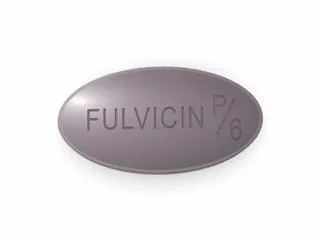
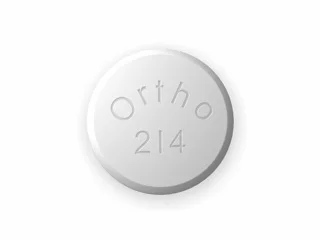
Grifulvin V is griseofulvin 250mg tablets for tinea capitis, tinea corporis and tinea pedis. It binds microtubular proteins and disrupts the mitotic spindle.
Key points
- The fungus infects the hair shaft itself, producing round patches of scalp hair loss with fine scaling.
- Some cases develop a boggy, inflamed swelling called a kerion, rather than plain scaling.
- Oral antifungal treatment is required since the fungi live within the hair shaft, where topical creams cannot reach them.
What tinea capitis looks like
The most recognisable sign is one or more round patches of hair loss with fine grey or white scaling on the scalp. The affected skin may be red and itchy. In some cases a more inflamed, boggy swelling called a kerion develops. Without treatment, hair loss in that area can persist for months, though it typically regrows once the infection clears.
Treating the infection
Because the fungi colonise the hair shaft itself, topical creams alone do not clear tinea capitis. Oral antifungals are the standard approach. Griseofulvin has been used as a first-line oral treatment for decades and remains widely available. A full course lasting several weeks is usually needed to clear the infection and prevent relapse. Medicated shampoos containing selenium sulphide or ketoconazole are sometimes used alongside oral treatment to reduce shedding of infective spores.
Anyone in the household who shares bedding, towels, or hair accessories with an affected child should be checked, as symptom-free carriers can pass the fungi on.