
Thromboembolism
Thromboembolism describes the process where a blood clot (thrombus) forms inside a blood vessel and either grows large enough to block it or breaks away and lodges somewhere else. The two most common presentations are deep vein thrombosis (DVT), typically in the leg, and pulmonary embolism, where a clot reaches the lungs. Both are serious but treatable if caught early.

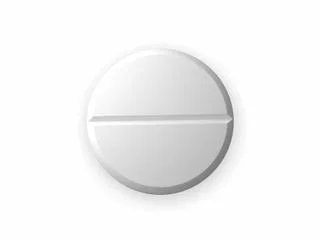
Warfarin Tablets
1 · 2 · 5mg
Warfarin 1mg, 2mg and 5mg tablets, used in the management of atrial fibrillation, thromboembolism and deep vein thrombosis. A vitamin K antagonist.
Key points
- A clot can enlarge where it forms or break away and lodge elsewhere, commonly causing deep vein thrombosis or a pulmonary embolism.
- Prolonged immobility, such as during long flights, along with surgery, hospital stays, cancer and pregnancy, all increase the chance of a clot forming.
- Warfarin, an established oral anticoagulant, treats existing clots and helps prevent further ones, though its narrow dosing range demands close monitoring.
Why clots form and who is at risk
Clots develop when normal blood flow is disturbed, the vessel wall is damaged, or the blood itself clots too readily. Prolonged immobility is a common trigger, and long-haul flights are a frequent culprit for travellers. Surgery, hospitalisation, cancer, pregnancy, and certain inherited clotting disorders all raise the risk significantly.
Recognising a clot in time
DVT typically causes swelling, warmth, and aching in one leg. A pulmonary embolism can produce sudden breathlessness, chest pain, or coughing up blood. These symptoms need urgent medical attention. Call emergency services or go to the nearest hospital without delay if they appear.
Reducing clot risk with anticoagulation
The mainstay of treatment and prevention is anticoagulation, medicines that reduce the blood’s tendency to clot. Warfarin is a well-established oral anticoagulant used for both treating existing thromboembolism and long-term prevention in higher-risk patients. Dosing requires careful monitoring because the effective range is narrow and interactions with diet and other medicines are common. Anticoagulation options fall within heart and blood pressure management more broadly, reflecting how closely clot risk ties to overall cardiovascular health.