
Endometriosis
Endometriosis occurs when tissue resembling the uterine lining establishes itself outside the uterus, typically on the ovaries, fallopian tubes, or pelvic wall. Each menstrual cycle, this tissue behaves like the uterine lining: it swells, breaks down, and bleeds, but has nowhere to drain. The result is inflammation, scar tissue, and often significant pain. Endometriosis affects roughly 10% of women of reproductive age worldwide, many of whom wait years for a diagnosis.



Key points
- Tissue similar to the womb lining takes hold outside the uterus and bleeds every cycle with no way to drain, leading to scarring.
- Cyclical pelvic pain, heavier periods, discomfort during intercourse, and trouble conceiving frequently occur together.
- Progestogens and related hormones suppress the cycle driving lesion growth, with the choice guided by symptom relief or fertility goals.
Symptoms worth knowing
The most common presentation is pelvic pain tied to the menstrual cycle, though pain can persist throughout the month. Heavy or irregular periods, pain during sex, and difficulty conceiving are also typical. Bowel or bladder symptoms during a period can indicate deeper infiltration. Because these signs overlap with other conditions, endometriosis is frequently dismissed as ordinary period pain.
How endometriosis is managed
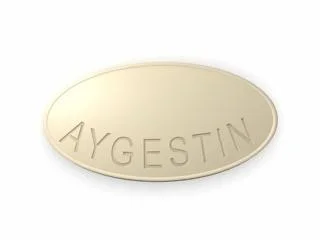
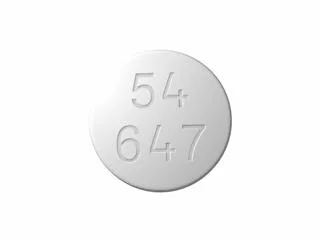
Treatment aims to suppress the hormonal cycle that drives the tissue to grow and bleed. Progestogens are a mainstay: norethindrone and dydrogesterone thin the endometrial tissue and reduce monthly bleeding, while medroxyprogesterone can induce a pseudo-pregnancy state that halts lesion activity. Danazol, a synthetic androgen, suppresses oestrogen and is sometimes used when progestogens are insufficient. Symptom relief and fertility goals both influence which approach a clinician recommends. More information on the full range of women’s health medicines is available on ZoneMD.
Living with the condition
Consistent pain management between cycles, heat therapy, and low-impact exercise can ease day-to-day symptoms. Dietary adjustments, particularly reducing inflammatory foods, are widely reported as helpful though evidence remains modest. Regular gynaecological follow-up matters because endometriosis can progress silently. Seek prompt assessment if pain becomes severe and sudden, as ovarian cysts related to endometriosis can rupture.