
Androgenetic Alopecia
Androgenetic alopecia, commonly called male-pattern or female-pattern hair loss, is the most widespread cause of progressive thinning worldwide. It affects roughly half of men by their fifties and is also common in women, particularly after menopause. Prevalence has historically been cited as lower in some populations, though rates appear to be rising alongside dietary and lifestyle shifts.
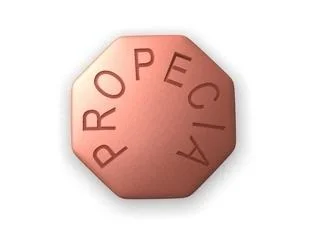
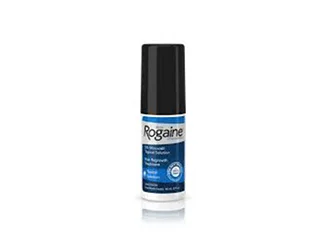

Cyproterone Acetate and Ethinylestradiol Tablets
2/0.035mg
Cyproterone acetate with ethinylestradiol as a film-coated tablet, used for severe acne, hirsutism and androgenetic alopecia. An anti-androgen with an oestrogen.
Key points
- A hormone byproduct binds to receptors in follicles that are genetically primed to shrink, thinning hair over repeated cycles.
- Men usually first notice thinning at the temples and crown, while women tend to develop diffuse thinning with the hairline preserved.
- Any of the main treatments take four to six months to show results, and regrowth is usually lost again once treatment stops.
- Loss that appears suddenly, in patches, or with scalp itching or scaling points to a different diagnosis instead.
How it develops
The condition is inherited and hormone-driven. Androgens, chiefly dihydrotestosterone (DHT), bind to receptors in genetically susceptible follicles, causing them to shrink progressively over successive growth cycles, a process called follicular miniaturisation. In men this typically starts at the temples and crown; in women it tends to produce diffuse thinning across the top of the scalp while the frontal hairline stays relatively intact.
Hair loss in androgenetic alopecia is gradual, measured in years rather than weeks. If shedding is sudden, patchy, or accompanied by scalp scaling, itching, or other symptoms, a doctor should be seen to rule out other causes such as alopecia areata, tinea capitis, or thyroid dysfunction.
Treatments that target the underlying mechanism
The most established systemic treatments work by reducing DHT production or blocking androgen receptors at the follicle. Finasteride and dutasteride are 5-alpha reductase inhibitors that lower scalp DHT levels; both are used for male-pattern loss. Women with androgenetic alopecia, particularly those in whom androgens are a clear driver, may be considered for cyproterone or a combined regimen including ethinylestradiol, which reduces circulating androgen activity.
Minoxidil works differently, it extends the growth phase of follicles and improves blood flow to the scalp. Applied topically, it is used by both men and women and is often the first treatment tried. Results from any of these treatments typically take four to six months to become visible, and hair that has been regained is usually lost again if treatment stops.
The full range of medicines available for androgenetic alopecia on ZoneMD is listed in the hair loss and men’s health categories.