
Finasteride
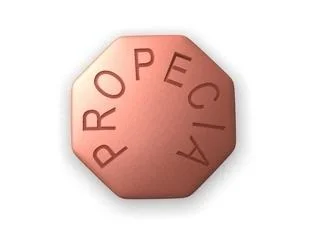
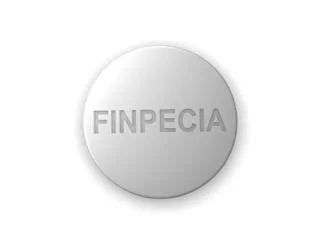
Finasteride serves as a primary treatment for men experiencing thinning or regression of the frontal and vertex scalp hair. Well-known brands such as Propecia and Finpecia are available to manage what is clinically identified as Androgenetic Alopecia. This page features 2 generic medications in our current catalogue offering support for hair regrowth.
Key points
- Blocks the enzyme 5-alpha reductase, lowering DHT levels responsible for shrinking hair follicles in androgenetic alopecia.
- Marketed as Propecia and Finpecia, both delivering the same active compound in film-coated tablet form.
- Sexual side effects or mood changes are reported by some users, typically easing after the medication is stopped.
What is Finasteride?
Finasteride is a pharmaceutical formulation primarily utilised to address male pattern baldness. By blocking specific enzymes in the body, it targets the hormonal pathways that lead to follicle miniaturisation. Different brands such as Propecia and Finpecia rely on the same active compound, allowing a choice based on preference.
What Finasteride is used for
This medication is specifically designed to treat hair loss caused by hereditary factors. It is commonly used for Androgenetic Alopecia, which manifests as a receding hairline or thinning at the crown. Regular use over an extended period may stabilise condition progression and stimulate hair maintenance.
How does Finasteride work?
Finasteride functions by inhibiting 5-alpha reductase, an enzyme that converts testosterone into dihydrotestosterone (DHT). High levels of DHT are linked to the shrinking of hair follicles in sensitive areas of the scalp. By lowering systemic DHT levels, the medication reduces the impact of this hormone on hair follicles, allowing them to retain their size and productivity.
Finasteride brands and forms
The global market offers both the originator brand, Propecia, and various generic equivalents like Finpecia. These formulations usually come as a film-coated tablet, ensuring consistent dosing. When looking for effective options within Prostate Health, patients often prioritise accessibility and formulation quality. Since the generic versions contain the same concentration of the active ingredient, efficacy remains comparable to the original medications.
Safety overview for Finasteride
What to check before using this medicine
Verify your medical history, specifically any history of prostate conditions or liver issues, before starting usage. Ensure the medication is intended for the specific type of hair loss you are experiencing, as this compound may not be suitable for other causes of thinning.
Possible reactions and tolerability
Some users may notice changes in sexual function or mood when using this medication. These reactions vary by individual and typically resolve upon cessation. Monitor how your body responds during the first few weeks of consistent use.
Interactions and health factors
Tell your doctor about any other medications you take, especially those affecting hormone levels. Do not use this medication if you have a known allergy to the active compound. Product labelling and verified clinical sources remain the correct references for specific contraindications, interactions and reactions.
Further reading
Related articles

23 Sept 2026 ⋅ 6 min read
Hair Loss Treatment in Hong Kong: Minoxidil, Finasteride & How to Buy Safely
Hair loss treatment in Hong Kong for expats: what actually works (minoxidil, finasteride, dutasteride), how each is accessed here, an honest word on side effects, finding it by active ingredient, and avoiding the grey market.
Read guide
30 Jul 2026 ⋅ 8 min read
Enlarged Prostate and the Night You Blame on the Beer
Getting up twice a night has a plausible tropical explanation for about two years, which is roughly how long men take to mention it. What the two drug families actually do, and the blood-pressure interaction that matters enormously to this particular audience.
Read guide