
Minoxidil
Minoxidil (Rogaine) is utilised as a vasodilating agent to address blood pressure issues and as a topical treatment for androgenetic alopecia. This ingredient is available in two distinct formulations, including Loniten and Rogaine. It supports individuals seeking both cardiac health management and hair maintenance through diverse delivery methods for targeted application.
Key points
- Originally developed for blood pressure, its vasodilating action was later found to reactivate dormant hair follicles as well.
- The topical form lengthens the hair growth phase and increases shaft diameter, giving hair a thicker appearance over time.
- Oral tablets work by relaxing the muscle around arteries so they widen, which lowers blood pressure throughout the body.
- Because oral and topical versions serve different purposes, the intended use should always match the correct formulation.
What is Minoxidil?
Minoxidil is a medication that serves two primary health functions. Originally developed to treat blood pressure, it was discovered that its vasodilating properties also encourage dormant hair follicles to reactivate. This dual availability in oral, tablet form and topical preparations means it meets the needs of patients focusing on either cardiac support or cosmetic hair growth goals.
What Minoxidil is used for
Minoxidil is standardly used for Hypertension when circulation management is required. Beyond its systemic use, topical versions are indicated for Androgenetic Alopecia, intended to slow balding and promote the regrowth of hair in affected areas of the scalp.
How does Minoxidil work?
Oral minoxidil acts by relaxing the muscles around arterial blood vessels, allowing them to widen. This reduction in vascular resistance lowers blood pressure throughout the body. Topically, the mechanism focuses on hair follicles, where it lengthens the growth phase of the hair cycle and increases the diameter of the hair shaft, resulting in thicker appearing growth.
Minoxidil brands and forms
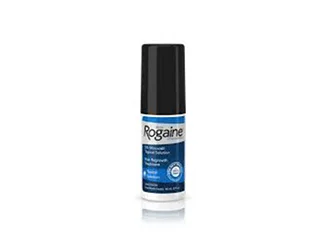
Patients have access to different preparations depending on their specific needs within Hair Loss management. Oral tablets (Loniten) are used for systemic blood pressure regulation. Topical solutions and cutaneous foam (Regaine, Rogaine) provide a direct approach for stimulating scalp follicles. The choice between a foam, solution, or tablet depends strictly on whether the goal is dermatological or cardiovascular.
Safety overview for Minoxidil
What to check before using this medicine
Ensure the intended use matches the formulation, as oral tablets differ significantly from topical solutions. Review any personal history of heart conditions or scalp sensitivities before applying or taking any version of this medication.
Possible reactions and tolerability
Topical users may experience minor scalp irritation or dryness. Oral users might notice changes in heart rate or fluid retention. Reactions vary by individual, and stopping use often resolves minor discomforts associated with topical application.
Interactions and health factors
Minoxidil may interact with other blood pressure medications or stimulants. The medication is not suitable for individuals with certain underlying cardiac conditions or those with undiagnosed hair loss. Product labelling and verified clinical sources remain the correct references for specific contraindications, interactions and reactions.
Further reading
Related articles

23 Sept 2026 ⋅ 6 min read
Hair Loss Treatment in Hong Kong: Minoxidil, Finasteride & How to Buy Safely
Hair loss treatment in Hong Kong for expats: what actually works (minoxidil, finasteride, dutasteride), how each is accessed here, an honest word on side effects, finding it by active ingredient, and avoiding the grey market.
Read guide