
Oxybutynin
Oxybutynin is a medication used to reduce frequent urgency and leakage associated with bladder control issues. Commonly available as brands like Ditropan and Oxytrol, this compound manages involuntary bladder muscle contractions. Two distinct formulations are listed, allowing patients to compare options for symptom management.
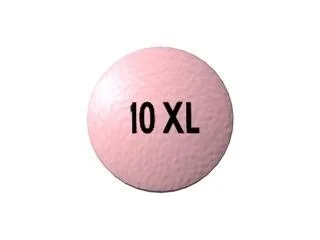
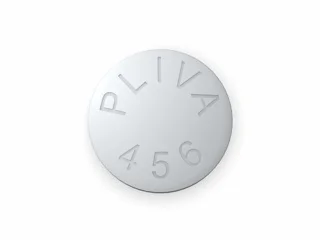
Key points
- Belongs to the antispasmodic class and calms involuntary bladder muscle contractions linked to overactive bladder and incontinence.
- Works by blocking acetylcholine signals that tell the bladder muscle to contract, letting it hold more urine.
- Available as a tablet or a transdermal patch, with Kentera and Oxytrol among the patch brand names.
What is Oxybutynin?
Oxybutynin belongs to a class of medications called antispasmodics. It acts directly on the smooth muscles of the bladder to limit involuntary contractions. By calming the bladder, it helps individuals regain control and reduces the frequency of the sudden, intense urge to pass urine. Because different people respond better to different methods of delivery, this medication is produced in varying forms to better suit individual needs.
What Oxybutynin is used for
This medication addresses common bladder concerns that interfere with daily activities. It is primary used to manage:
By targeting the underlying muscle activity, it helps you maintain better control throughout the day and night.
How does Oxybutynin work?
This compound functions by inhibiting the signal transmission that tells your bladder muscle to contract. Bladder spasms are often triggered by acetylcholine, a chemical messenger in your body. Oxybutynin blocks this chemical from binding to its receptors on the bladder wall. As a result, the muscle relaxes, increasing your bladder’s capacity and delaying the urge to urinate.
Oxybutynin brands and forms
Managing bladder issues frequently requires selecting a consistent, reliable form for your daily routine. Brands such as Kentera and Oxytrol provide established options, while generic variants offer the same active ingredient. These are available in tablet and transdermal patch forms. Choosing between a patch and an oral tablet is often a matter of preference regarding convenience and sustained, steady release versus standard dosing. These options are part of a broader approach to maintaining Bladder Health.
Safety overview for Oxybutynin
What to check before using this medicine
Review your medical history, specifically regarding eye conditions, stomach or intestinal motility problems, and any existing kidney or liver conditions. Ensure you understand the application or intake schedule for your specific product version.
Possible reactions and tolerability
Common responses can include dry mouth, blurred vision, or drowsiness. These effects are often linked to the medication’s anticholinergic activity. If these symptoms persist or become difficult to manage, monitor your reactions closely.
Interactions and health factors
Other medications with similar effects can intensify side effects. Always consider how this treatment aligns with your other health factors and current routine. Product labelling and verified clinical sources remain the correct references for specific contraindications, interactions and reactions.
Further reading
Related articles

23 Sept 2026 ⋅ 7 min read
Overactive Bladder in an Air-Conditioned Life
The medicines that calm an overactive bladder work partly by drying you out, and one of the things they dry is sweat. In a temperate country that is a nuisance. In this one it removes part of how you cope with the street outside.
Read guide