
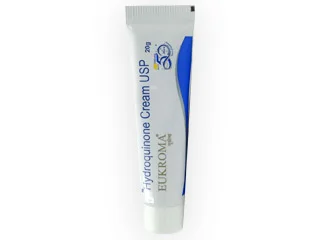
Hydroquinone Cream
Hyperpigmentation
4%
Hydroquinone 4% cream, applied to the skin for hyperpigmentation. A tyrosinase inhibitor that interrupts the first step of melanin formation.
From$17.14/ tubeView
Hydroquinone is a topical agent used to address uneven skin tones and dark spots. It functions by inhibiting the cells responsible for creating dark pigment in the skin. Hydroquinone Cream is listed, used for hyperpigmentation.
Hyperpigmentation
4%
Hydroquinone 4% cream, applied to the skin for hyperpigmentation. A tyrosinase inhibitor that interrupts the first step of melanin formation.
Hydroquinone is a topical bleaching agent used to lighten areas of skin that have darkened due to sun exposure, hormonal changes, or acne scarring. It is a concentrated compound designed for application on the skin surface rather than for internal use.
Clinical use typically focuses on reducing the visibility of darkened patches caused by overactive melanocytes. By targeting these areas, it assists in balancing overall skin tone. It is primarily applied for concerns related to Hyperpigmentation.
The active compound works by lowering the production of melanin in the skin cells. Melanin is the substance responsible for skin colour, and its overproduction leads to dark spots. Hydroquinone blocks the enzyme activity that triggers this pigmentation, allowing the skin to gradually return to a more natural tone with consistent application.
This ingredient is commonly found in the form of a topical cream. It serves as a central option within Skin Care routines for those addressing persistent dark spots. Because it acts as a concentrated treatment, selecting the right formulation is essential for individual skin sensitivity.
Always evaluate your skin sensitivity and history of allergies before starting a topical treatment. Avoid applying near the eyes, mouth, or on irritated skin. Using sun protection during the day is typically advised, as the treated area may become more susceptible to UV sensitivity.
Common experiences include mild redness, stinging, or dryness at the application site. If severe peeling, blistering, or signs of an allergic reaction occur, stop use immediately and monitor the area. Individual skin types respond differently, and monitoring your skin’s reaction during the first few days is standard practice.
Certain skin products, such as those containing benzoyl peroxide or strong acids, may react poorly with this ingredient. Product labelling and verified clinical sources remain the correct references for specific contraindications, interactions and reactions.

23 Sept 2026 ⋅ 9 min read
A practical, honest guide to skin care in the Philippines: acne, melasma and pigmentation, fungal problems and sun protection, which treatments are real medicines, and why to steer clear of the risky whitening market.
Read guide