
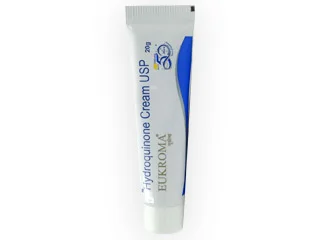
Hydroquinone Cream
4%
Hydroquinone 4% cream, applied to the skin for hyperpigmentation. A tyrosinase inhibitor that interrupts the first step of melanin formation.
From$17.14/ tubeView
Hyperpigmentation is a broad term for patches of skin that become darker than the surrounding area. It is not harmful, but it is one of the most common skin concerns in people with higher baseline melanin levels, where post-inflammatory marks and sun-triggered spots appear more readily and fade more slowly.
4%
Hydroquinone 4% cream, applied to the skin for hyperpigmentation. A tyrosinase inhibitor that interrupts the first step of melanin formation.
The darkening comes from excess melanin, the pigment produced by skin cells called melanocytes. Several triggers can push melanocyte activity higher than normal: UV exposure, hormonal shifts (melasma is particularly common during pregnancy), acne or other skin trauma, and certain medications. In humid, high-UV climates, sun exposure is a near-constant driver, which is why hyperpigmentation recurs even after successful treatment if sun protection lapses.
The most studied topical ingredient for hyperpigmentation is hydroquinone, which works by inhibiting the enzyme that drives melanin synthesis. It is typically applied in a thin layer to the affected patches only, not the whole face, and used for a defined course rather than indefinitely. Results tend to appear gradually over several weeks. Sunscreen alongside any depigmenting agent is not optional, UV exposure re-activates melanocyte activity and undoes progress.
If a patch is new, rapidly enlarging, or changing in texture, a dermatologist can rule out other causes before treatment begins.