
Fluorouracil
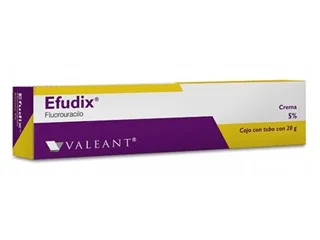
Fluorouracil constitutes a topical medication, commonly recognised by the brand Efudix, used to manage various skin irregularities. One formulation is available, primarily in cream form. Application of the product targets specific, abnormal skin cell growth as directed by a healthcare professional.
Key points
- An antimetabolite that interrupts DNA synthesis, slowing the growth of abnormal skin cells without significant harm to healthy tissue.
- Considered for superficial basal cell carcinoma specifically when surgery is not a suitable option.
- Redness and skin sensitivity at the treated site tend to intensify during the early period of use.
What is Fluorouracil?
Antimetabolites like Fluorouracil act by disrupting cell division. Skin conditions often require targeted topical approaches, making this cream a common choice to address specific growths on the skin surface. Several variations of existing brands, such as Efudex, maintain the same active compound for patient use.
What Fluorouracil is used for
Clinical management of Actinic Keratosis represents a primary application for this medicine. Superficial Basal Cell Carcinoma also responds to treatment when surgery is not indicated.
How does Fluorouracil work?
Cancerous or abnormal skin cells require rapid DNA synthesis to divide. Fluorouracil interrupts this metabolic process, slowing the growth of unwanted cells without significantly affecting surrounding healthy tissue.
Fluorouracil brands and forms
Efudix and Efudex are common branded versions of this topical agent. Available primarily as a cream, products within the Skin Care range serve as an option for patients managing recurring dermatological lesions. Dedicated Oncology Support information is often relevant for those addressing cell proliferative disorders.
Safety overview for Fluorouracil
What to check before using this medicine
Medical history concerning previous reactions to similar antineoplastic agents requires review. Evaluation of existing skin infections or open wounds in the target area must occur before application.
Possible reactions and tolerability
Common responses include redness, inflammation, and sensitivity in the treated skin area. Discomfort typically increases during the initial period of application as the medication affects the target cells.
Interactions and health factors
Topical products do not typically interact with oral medications, though concurrent use of other skin creams might alter absorption. Product labelling and verified clinical sources remain the correct references for specific contraindications, interactions and reactions.