
Basal Cell Carcinoma
Basal cell carcinoma (BCC) is the most common form of skin cancer worldwide, arising from the basal cells in the deepest layer of the epidermis. It grows slowly and rarely spreads beyond the skin, but it can cause significant local damage if left untreated. Fair-skinned individuals living in high-UV regions carry elevated risk due to prolonged sun exposure.
Key points
- Basal cell carcinoma grows from cells deep in the skin’s outer layer, developing slowly and only rarely spreading beyond the skin.
- Fair skin and considerable sun exposure over the years raise the risk, though the cancer can still cause serious local damage if untreated.
- Small, well-defined lesions are often removed surgically or by cryotherapy, while topical fluorouracil offers an alternative when surgery is not suitable.
How basal cell carcinoma is managed
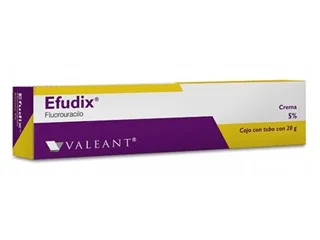
The primary treatment is physical removal: surgical excision, Mohs micrographic surgery, or cryotherapy for small, well-defined lesions. Where surgery is not suitable, for superficial BCCs, multiple lesions, or patients who cannot undergo an operation, topical treatment is a recognised alternative. Fluorouracil (5-FU) is a chemotherapy agent applied directly to the skin that disrupts cancer-cell replication; it is used for superficial BCC and is also employed in broader skin care and oncology support contexts. Any suspicious or changing lesion on the face, scalp, ears, or neck warrants prompt assessment by a dermatologist, as early detection keeps treatment straightforward.