
Azelaic Acid
Azelaic Acid is a naturally occurring acid found in grains like wheat and barley. It is used to manage common skin concerns such as acne and rosacea.
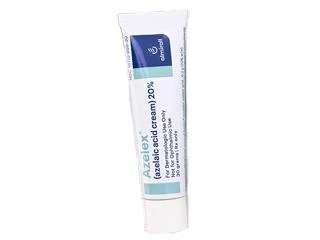
Key points
- Works partly by normalising keratin turnover in the skin, which helps stop pores becoming blocked with trapped bacteria.
- Its antibacterial action targets the microbes involved in acne, while its anti-inflammatory effect calms the redness seen in rosacea.
- Comes as either a lightweight gel favoured for oily skin, or a richer cream better suited to drier, sensitive skin.
What is Azelaic Acid?
Azelaic acid is a dicarboxylic acid that works on the skin’s surface. It is valued in dermatology for its ability to address multiple factors behind breakouts and redness simultaneously. Unlike some harsher treatments, it is generally well tolerated by sensitive skin types.
Several formulations exist because patients have different needs. Some prefer a lighter gel for oily skin, while others opt for a richer cream for drier or more sensitive complexions. The availability of different brands and textures means you can find a version that fits your routine.
What Azelaic Acid is used for
Azelaic acid is primarily used for inflammatory acne, where it helps reduce the redness and swelling associated with pimples. It is also a well-established treatment for rosacea, targeting the persistent facial redness and bumps that characterise the condition. If you are dealing with either Acne or Rosacea, this ingredient may be a suitable option to discuss with your doctor.
How does Azelaic Acid work?
For you, this means fewer breakouts and calmed skin. Azelaic acid works by normalising the behaviour of keratin, a protein in your skin. When keratin production goes awry, it can clog pores and trap bacteria. By keeping skin cell turnover steady, azelaic acid helps prevent blockages.
It also has antibacterial properties, targeting the microbes that contribute to acne. Additionally, it reduces inflammation, which is why it is effective for the redness seen in both acne and rosacea. This multi-action approach makes it a versatile choice for common inflammatory skin conditions.
Azelaic Acid brands and forms
The brand range includes well-known names like Finacea, which is often associated with rosacea treatment, alongside other generic options. Creams are often chosen for their moisturising base, which can be more comfortable for dry or sensitive skin.
Choosing between forms often comes down to your skin type and personal preference. A cream may feel more nourishing, while a gel might be preferred for its lighter finish. Exploring the Skin Care category can help you compare different topical options available for your concerns.
Safety overview for Azelaic Acid
What to check before using this medicine
Before starting azelaic acid, check the product labelling for any known allergies to its ingredients. It is intended for external use only and should not be applied to broken or wounded skin. If you have particularly sensitive skin, consider doing a patch test on a small area first.
Possible reactions and tolerability
Some people experience mild reactions when they first use azelaic acid, such as stinging, itching, or slight redness at the application site. These effects are often temporary and may lessen as your skin adjusts. If irritation persists or becomes severe, stop using the product and consult a healthcare professional.
Interactions and health factors
Azelaic acid has minimal systemic absorption, meaning it acts mostly on the skin’s surface. However, inform your doctor about any other topical products you are using to avoid potential interactions. This is especially important if you are using other exfoliating or drying treatments.
Product labelling and verified clinical sources remain the correct references for specific contraindications, interactions and reactions.