
Spinal Cord Spasm
Spinal cord spasm refers to involuntary, often forceful muscle contractions that occur when the spinal cord is damaged or compressed. Unlike ordinary muscle cramps, these spasms originate from disrupted nerve signalling at the cord level rather than the muscle itself. They are a common secondary effect of spinal cord injury, multiple sclerosis, and other conditions that affect the upper motor neurones.
Key points
- Unlike an ordinary muscle cramp, this spasm begins with faulty nerve signalling at the level of the cord, often after spinal injury or multiple sclerosis.
- A healthy spinal cord sends inhibitory signals that keep muscle tone in check, so damage removes this natural brake below the injury.
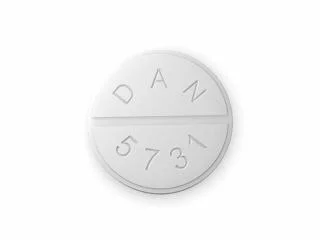
- A light touch or a full bladder can trigger a spasm, and baclofen, which mimics the inhibitory transmitter GABA, is the main treatment for it.
Why the spasms happen
Healthy spinal cord circuits keep muscle tone in check by passing inhibitory signals down from the brain. When a cord injury or lesion interrupts that pathway, the muscles below the level of injury lose their normal brake. Even a light touch, a full bladder, or a sudden change in position can then trigger a sharp, sustained contraction. Spasms can be painful and disruptive, but they also carry some protective value: they can help maintain muscle bulk and circulation in limbs that see limited voluntary use.
Reducing spasm with medication
The most established approach is a centrally acting muscle relaxant that works directly within the spinal cord. Baclofen mimics the inhibitory transmitter GABA, dampening the overactive reflex arc and reducing both the frequency and force of spasms. It sits within the broader pain management toolkit and is typically started at a low dose and adjusted gradually. If a spasm becomes so severe or prolonged that it causes a fall or prevents sleep, that warrants prompt medical review.