
Skin and Soft Tissue Infection
Skin and soft tissue infections (SSTIs) cover a broad range of conditions, from simple cellulitis and impetigo to deeper infections like erysipelas, abscesses, and necrotising fasciitis. Most are caused by Staphylococcus aureus or Streptococcus pyogenes entering through a break in the skin, a cut, insect bite, or surgical wound.
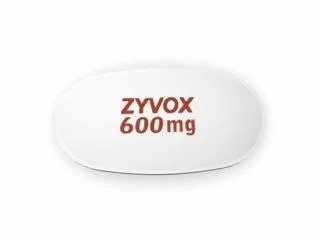

Key points
- This umbrella term spans impetigo and simple cellulitis through to deeper abscesses and necrotising fasciitis, usually starting at a break in the skin.
- Most cases respond to standard antibiotics, but MRSA, a resistant staph strain, complicates treatment both in hospitals and out in the community.
- Linezolid interferes with bacterial protein-building machinery and is reserved for complicated, resistant cases where other antibiotics have not worked or cannot be given.
When standard antibiotics are not enough
Straightforward SSTIs usually respond to first-line antibiotics. The challenge arises with methicillin-resistant Staphylococcus aureus (MRSA), a strain that resists many common treatments. MRSA-associated SSTIs are reported in hospital and community settings, where rates vary considerably by location and healthcare setting.
For complicated SSTIs caused by MRSA or other multi-drug-resistant organisms, linezolid is one of the options used when other agents have failed or cannot be used. It works by blocking bacterial protein synthesis and has activity against both gram-positive organisms and resistant strains.
Seek prompt medical assessment if a skin infection is spreading rapidly, accompanied by a high fever, or causing tissue that looks dark or feels numb, these can be signs of a deeper or more serious infection requiring urgent care.