
Pulmonary Arterial Hypertension
Pulmonary arterial hypertension (PAH) is a rare but serious condition in which the small arteries supplying the lungs become narrowed and stiffened, forcing the right side of the heart to pump against abnormally high resistance. Over time this strains and weakens the heart. It is distinct from common hypertension and requires specific treatment targeting the pulmonary circulation rather than general heart and blood pressure management.

Key points
- The lungs’ small arteries become narrowed and stiff, so the heart’s right side must pump against much greater resistance than normal.
- Breathlessness during exertion, along with fatigue and light-headedness, often gets mistaken early on for poor fitness or ageing.
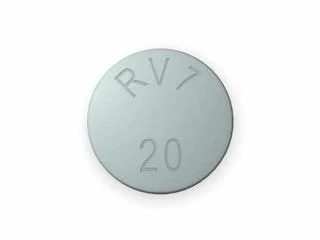
- PDE5 inhibitors such as sildenafil relax vessel walls, while a second drug class blocks a protein that narrows and thickens the arteries.
Recognising PAH and how it is managed
Early symptoms are easy to miss: breathlessness on exertion, fatigue, and light-headedness are the most common, often attributed to fitness or age. As the condition progresses, ankle swelling, chest pain, and fainting on effort can develop. Diagnosis requires specialist investigation, typically including echocardiography and right-heart catheterisation.
Treatment centres on medicines that dilate the pulmonary arteries and slow disease progression. Two main drug classes are used: phosphodiesterase-5 inhibitors such as sildenafil relax the vessel walls, while endothelin receptor antagonists such as ambrisentan block a protein that causes the arteries to constrict and thicken. Patients often use more than one class simultaneously. Seek urgent medical attention if breathlessness suddenly worsens, you faint, or you develop rapid heart rate at rest.