
Pruritus
Pruritus is the medical term for itch, a sensation that triggers the urge to scratch. While most people experience brief bouts of itching, pruritus becomes a clinical concern when it is persistent, widespread, or occurs without an obvious skin rash. It can arise from skin disorders, systemic diseases, drug reactions, or nerve problems, and in some cases no clear cause is ever found.

Key points
- Persistent or widespread itching without an obvious rash can point to an underlying skin, systemic or nerve-related cause rather than simple dry skin.
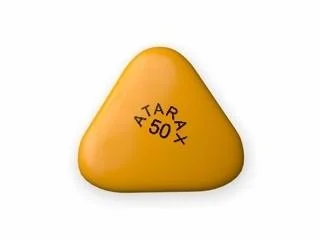
- Antihistamines such as hydroxyzine treat allergy-related itch, while liver-related itch instead responds to a bile-acid binder like colestyramine.
- Itching lasting more than six weeks, or accompanied by weight loss, night sweats or jaundice, needs medical assessment to rule out a systemic disease.
What drives the itch
The triggers vary widely. Allergic reactions are among the most common causes, and an antihistamine such as hydroxyzine is often used for itch linked to urticaria, atopic dermatitis, or contact allergy, conditions particularly prevalent in humid climates. Cholestatic pruritus, caused by bile-salt accumulation in liver disease, responds to a different mechanism entirely: bile-acid sequestrants like colestyramine bind excess bile in the gut and reduce the itch signal. Other contributors include chronic kidney disease, thyroid disorders, haematological conditions, and certain medicines.
When to get checked
Itch that lasts more than six weeks, has no visible skin cause, or is accompanied by weight loss, night sweats, jaundice, or abnormal urine colour warrants a medical assessment. These features can point to an underlying systemic condition that needs diagnosis before treatment.