
Prostate Cancer
Prostate cancer is one of the most common cancers affecting men globally, with rising detected rates in places where screening has become more routine. Most cases grow slowly and are caught on routine PSA blood tests before any symptoms appear, though advanced disease can cause urinary difficulty, pelvic discomfort, or bone pain.
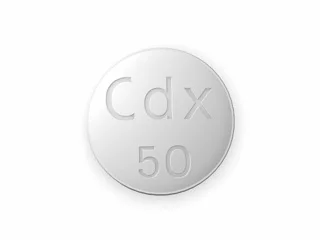

Abiraterone Tablets
250mg
Abiraterone 250mg tablets, used in the management of prostate cancer. A CYP17A1 inhibitor that blocks androgen synthesis in the adrenal glands.

Key points
- Growth is usually slow, with routine blood screening often flagging the cancer before any symptoms show.
- Once advanced, it can bring on trouble passing urine, discomfort in the pelvis or pain felt in the bones.
- Because these cancer cells generally need male hormones to grow, cutting off that hormone supply anchors treatment for advanced disease.
- One drug stops testosterone reaching the cancer directly, while another halts hormone production further back, even within the adrenal glands.
Hormone-based management
Prostate cancer cells typically rely on androgens (male hormones) to grow. Lowering androgen activity is the cornerstone of treatment for advanced or metastatic disease. Flutamide is an anti-androgen that blocks testosterone from reaching cancer cells and has been used widely for decades. Abiraterone works further upstream, blocking the body’s production of androgens, including in the adrenal glands and the tumour itself, and is used when the cancer has progressed despite initial hormone therapy. Both are part of the broader range of treatments found in oncology support.
Men diagnosed with prostate cancer should have their treatment plan reviewed by an oncologist or urologist, as the right approach depends heavily on the stage, grade, and individual health profile.
Further reading
Related articles

25 Jul 2026 ⋅ 8 min read
Hormone Therapy for Prostate Cancer: What the Tablets Do
The hospital part of prostate cancer treatment has structure, appointments and people. The tablets go home with you, and so do the effects that make men stop taking them without telling anyone. What the treatment is doing, and which effects have answers.
Read guide