
Community-acquired Pneumonia
Community-acquired pneumonia (CAP) is a lung infection picked up in everyday settings rather than in a healthcare facility. It ranges from a mild illness managed at home to a serious condition requiring hospital care. Bacterial causes are common, with Streptococcus pneumoniae the most frequently identified pathogen.



Key points
- Streptococcus pneumoniae is the most frequently identified culprit, though the infection can also have a viral origin.
- Typical signs include fever, a productive cough and chest pain that intensifies with breathing, alongside fatigue in worse cases.
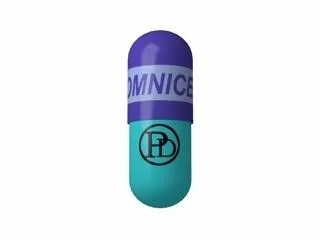
- Antibiotics such as cefdinir treat mild-to-moderate cases in people well enough to be managed at home rather than in hospital.
Recognising and treating CAP
Typical signs include a productive cough, fever, chills, and chest pain that worsens on breathing. Shortness of breath and fatigue follow quickly in more severe cases. A doctor will usually confirm the diagnosis with a chest X-ray and, where needed, a sputum culture to identify the organism involved.
When a bacterial pathogen is confirmed or strongly suspected, antibiotics are the cornerstone of treatment. Oral agents such as cefdinir are used for mild-to-moderate CAP in adults and children who can be managed outside hospital. The choice and duration depend on local resistance patterns and individual patient factors.
Seek medical attention promptly if breathing becomes laboured, lips or fingertips turn bluish, or symptoms worsen after 48 hours of treatment.