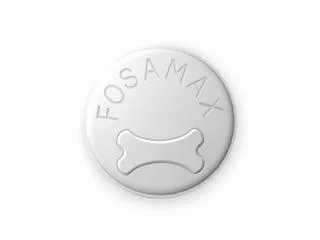
Raloxifene Tablets
60mg
Raloxifene 60mg film-coated tablets, used in the management of osteoporosis. A SERM that acts like oestrogen on bone but not on breast tissue.
From$1.02/ tabletView
Osteoporosis is the gradual thinning of bone, leaving the skeleton more fragile and prone to fractures from falls or even minor knocks. It builds up silently over years, often without any signs until a wrist, hip or spine bone breaks. Women after menopause are most affected, though men and older adults face rising risk as populations age.
60mg
Raloxifene 60mg film-coated tablets, used in the management of osteoporosis. A SERM that acts like oestrogen on bone but not on breast tissue.
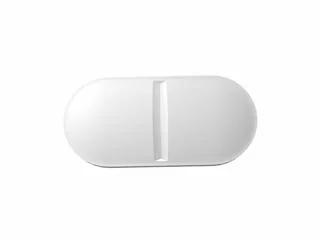
500mg
Calcium carbonate 500mg tablets, used for calcium deficiency and osteoporosis. A source of elemental calcium for bone and muscle function.
Treatment aims to slow bone loss, keep existing bone strong and cut the chance of a fracture. Bisphosphonates such as alendronic acid are a common starting point, working to reduce the rate at which bone is broken down. For women after menopause, raloxifene offers another route by mimicking some of the bone-protective effects of oestrogen. Adequate calcium and vitamin D underpin any treatment, since bone cannot rebuild without the raw materials. You can see the full range on our bone health page.
Daily habits make a real difference. Weight-bearing exercise like walking, stair climbing or resistance work signals the body to maintain bone. A diet with enough calcium and protein helps, and sensible sun exposure supports vitamin D, which can run low among office workers in hot climates who stay indoors. Stopping smoking and limiting alcohol both ease the strain on bone. Because osteoporosis weighs heavily on women, especially after menopause, our women’s health section covers related concerns. If you have had a fracture from a minor fall, or notice height loss or a stooping posture, speak to a doctor about a bone density check.