
Open-angle Glaucoma
Open-angle glaucoma is the most common form of glaucoma. Fluid builds up inside the eye, raising intraocular pressure (IOP) and slowly damaging the optic nerve. The process is almost always painless and symptom-free in the early stages, which is why it earns the name “the silent thief of sight.”
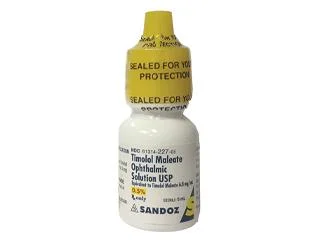
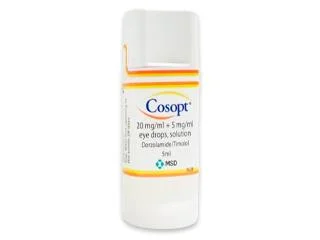
Key points
- Loss of side vision usually comes first, often unnoticed until the nerve has already sustained major damage.
- Timolol reduces the fluid produced inside the eye while dorzolamide works via a different route, and the two are frequently paired.
- Sudden severe eye pain, visual halos or nausea can signal a different, more urgent form needing same-day treatment.
Why early detection matters
Because peripheral vision fades before central vision, most people with open-angle glaucoma do not notice anything wrong until the condition is well advanced. By the point blurred edges or tunnel vision become obvious, a meaningful portion of nerve fibres has already been lost. This makes routine eye pressure checks critical, particularly for anyone over 40 or with a family history of glaucoma. Normal-tension glaucoma is a variant where IOP stays within the normal range.
Reducing eye pressure
Lowering IOP is the cornerstone of treatment and can substantially slow or halt further nerve damage. Eye drops that reduce fluid production or improve drainage are the standard first approach. Timolol is a beta-blocker that decreases aqueous humour production, while dorzolamide is a carbonic anhydrase inhibitor that works through a separate pathway, the two are often combined for additive effect. Both fall within the broader eye care range available through ZoneMD.
If symptoms progress or eye pressure becomes difficult to control with drops alone, laser treatment or surgical drainage procedures may be considered by a specialist.
When to seek urgent review
Any sudden onset of severe eye pain, halos around lights, blurred vision, or nausea should be assessed urgently, as these can signal acute angle-closure glaucoma, a different and more immediately dangerous condition that needs same-day care.
Further reading
Related articles
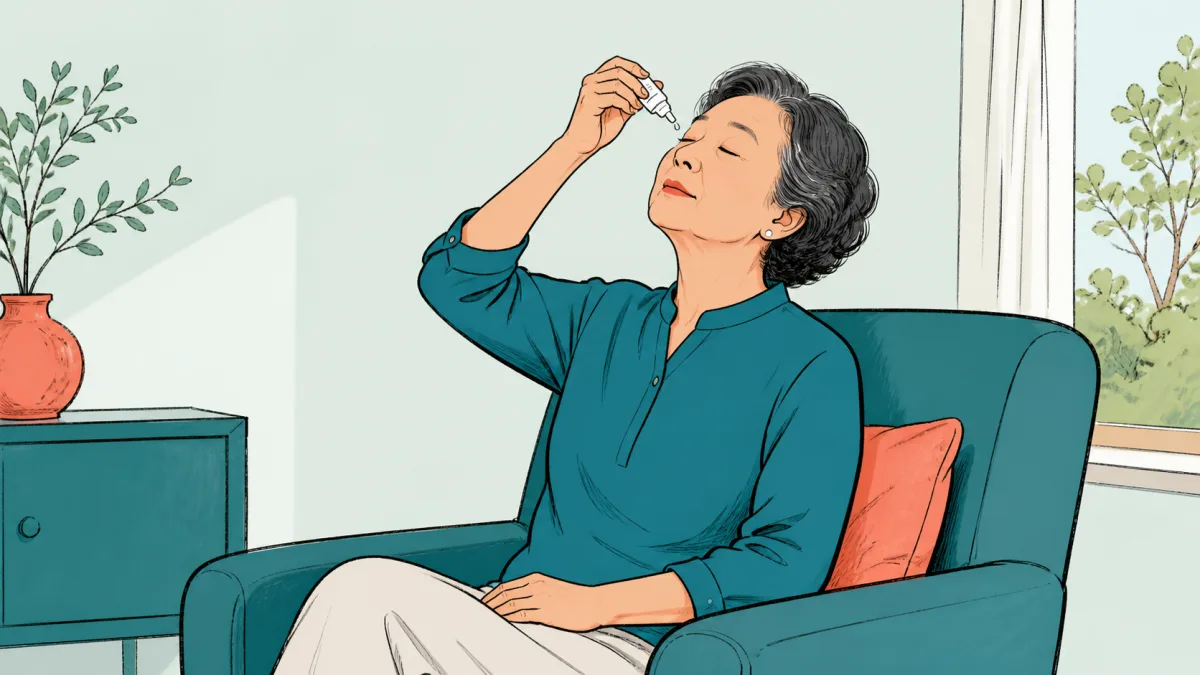
4 Aug 2026 ⋅ 8 min read
Glaucoma Drops: The Diagnosis You Cannot Feel
Glaucoma gives you nothing to go on. No pain, no blurring, and no sign at all that you stopped treating it. Why the sight it takes does not come back, what each family of drops is doing, and the visible side effects that quietly end treatment.
Read guide