
Nasal Polyps
Nasal polyps are soft, painless growths that develop in the lining of the nasal passages or sinuses. They stem from chronic inflammation and, when large enough, can block airflow, muffle the sense of smell, and contribute to persistent sinus congestion. They are more common in adults with long-standing allergic rhinitis, asthma, or sensitivity to aspirin.
Key points
- These growths form from long-standing inflammation in the nasal lining and tend to appear in people with chronic allergic rhinitis, asthma, or aspirin sensitivity.
- Once large enough, the growths can obstruct airflow, dull the sense of smell, and leave sinuses persistently blocked.
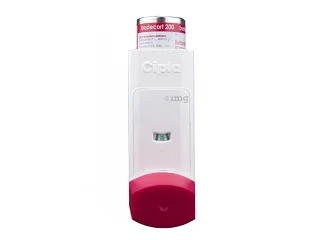
- Topical corticosteroids such as budesonide calm the inflammation over several weeks, with oral steroids or surgery reserved for resistant cases.
Corticosteroids and managing nasal polyps
The main treatment goal is shrinking the polyps to restore comfortable breathing. Topical corticosteroids applied directly inside the nose reduce the inflammation that sustains the growths. Budesonide is one of the most widely used options, delivering anti-inflammatory action to the nasal lining with minimal systemic absorption. It sits within the broader respiratory health category of medicines used for airway inflammation.
Regular use over weeks rather than days is typically needed before polyps noticeably reduce. People with severe or recurring polyps that do not respond to topical treatment may eventually be considered for a short oral corticosteroid course or, as a last resort, endoscopic sinus surgery. See a doctor promptly if you develop severe facial pain, a high fever alongside sinus symptoms, or a sudden loss of vision, these may signal a complication rather than uncomplicated polyps.