
Muscle Spasticity
Muscle spasticity is a condition where muscles remain in a state of continuous or intermittent stiffness, making controlled movement difficult. It happens when the nervous system loses normal inhibitory control over muscle tone, leading to tightness, painful spasms, and reduced range of motion. It is most commonly seen in people living with multiple sclerosis, spinal cord injury, stroke, or cerebral palsy.

Key points
- Loss of the nervous system’s normal check on muscle tone allows tightness and spasm to build unopposed.
- Severity spans mild stiffness to forceful spasms that disrupt sleep and daily care, often following stroke, spinal injury, or multiple sclerosis.
- Oral relaxants such as baclofen and tizanidine ease muscle tone through different pathways, usually alongside stretching and physiotherapy.
What drives the stiffness
In a healthy nervous system, signals from the brain and spinal cord constantly regulate how much tension a muscle holds. Damage to those pathways, whether from a stroke, a cord lesion, or a progressive disease like MS, disrupts that balance. The muscle receives too little inhibition and too much excitation, so it contracts beyond what any movement requires. The result ranges from mild tightness that slows movement to severe spasms that cause pain and interfere with sleep or daily care.
Managing muscle spasticity
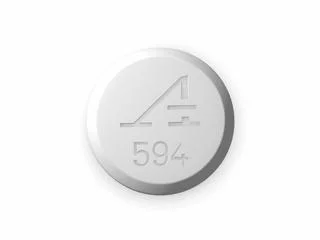
Treatment aims to reduce tone and spasm frequency without sacrificing the residual strength many people rely on for standing or walking. Oral muscle relaxants are the backbone of management. Baclofen acts directly on the spinal cord to reduce excitatory signalling, while tizanidine works through a different pathway to lower muscle tone with a somewhat shorter duration of action. Both sit within the broader pain management approach used for spasticity alongside physiotherapy and stretching programmes.
Stretching and regular physiotherapy remain important alongside any medicine. Consistent daily movement helps prevent contractures, where muscles shorten permanently from prolonged high tone.
If spasticity suddenly worsens without obvious cause, seek medical review promptly, as it can signal a new underlying problem such as a pressure sore, urinary tract infection, or disease progression.