
Leprosy
Leprosy (Hansen’s disease) is a chronic infection caused by Mycobacterium leprae, a slow-growing bacterium that primarily targets the skin, peripheral nerves, and mucous membranes. Despite its historical association with disfigurement, leprosy is curable and transmission requires prolonged, close contact.
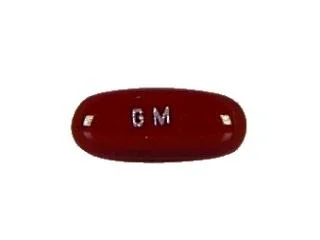
Key points
- Since the bacterium multiplies very slowly, treatment must continue for months or even years to stop resistant strains emerging and secure a lasting cure.
- A component of treatment for the more severe form also calms inflammation, easing the painful immune flares some people experience during therapy.
- Stopping treatment early raises the risk of relapse and further nerve damage, the main driver of lasting disability in the disease.
How treatment works
Because M. leprae grows so slowly, leprosy requires months to years of multi-drug therapy to prevent resistance and achieve a full cure. The standard regimen combines antibiotics from different classes to clear the bacteria and reduce the nerve damage that causes lasting disability. Clofazimine is a core component of WHO-recommended treatment for the multibacillary (more severe) form; it has both antibacterial and anti-inflammatory properties that help control the painful immune reactions that can flare during treatment.
Completing the full course is essential. Stopping early risks relapse and ongoing nerve damage, which is the main cause of the permanent disability sometimes seen in untreated or undertreated cases.
Nerve damage and when to act
Early diagnosis is the single most important factor in preventing disability. Warning signs include patches of skin that are lighter or redder than surrounding skin and have reduced sensation, thickened or tender peripheral nerves, and numbness or weakness in the hands or feet. Anyone in a leprosy-endemic area who notices these features should seek medical review promptly.