
Keratitis
Keratitis is inflammation of the cornea, the clear dome at the front of the eye. It can develop from a bacterial, viral, fungal, or parasitic infection, or sometimes from a non-infectious cause such as dry eyes or UV exposure. Without prompt treatment it can scar the cornea and permanently affect vision.
Key points
- Sleeping in contact lenses or cleaning them with non-sterile water is the single biggest risk factor for this corneal inflammation.
- Corneal injury from grit, plant matter or a fingernail can let bacteria in, and a past herpes infection often triggers a repeat episode.
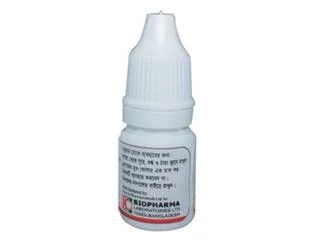
- Bacterial keratitis is usually treated with intensive fluoroquinolone drops such as ofloxacin, while fungal, viral or amoebic forms need a different approach entirely.
What brings it on
Contact lens wear is the leading risk factor, particularly sleeping in lenses or using non-sterile water to clean them. In tropical climates, heat and humidity encourage the fungal species that cause mycotic keratitis, and agricultural workers face higher exposure. Corneal injuries from grit, plant material, or fingernails can open the door to bacterial infection. Previous herpes simplex infection is a common trigger for viral recurrence.
Treating the infection
Treatment targets the underlying cause. Bacterial keratitis is typically managed with intensive fluoroquinolone eye drops; ofloxacin belongs to this class and is widely used across the eye care range. Fungal forms need antifungal drops, viral forms need antivirals, and acanthamoeba keratitis requires a specific antiseptic protocol. See a doctor promptly if you notice worsening pain, a white spot on the cornea, sudden changes in vision, or significant light sensitivity, these are signs that need same-day assessment.