
Intractable Hiccups
Most hiccups clear up on their own within minutes. When they persist beyond 48 hours, they are called persistent hiccups; beyond a month, intractable hiccups. At that point they are not a nuisance but a medical condition that can seriously disrupt sleep, eating, and quality of life.
Key points
- The hiccup reflex runs through a loop between the phrenic nerve, vagus nerve and brainstem, and sustained irritation can lock the cycle open.
- Triggers include reflux, a distended stomach, disturbances such as low sodium, certain medicines, and episodes following general anaesthesia or advanced cancer.
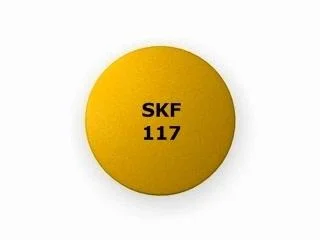
- Chlorpromazine, acting on dopamine pathways, is the most established medicine for interrupting the reflex centrally when an underlying cause cannot be corrected directly.
What keeps intractable hiccups going
The reflex involves a loop between the phrenic nerve, the vagus nerve, and the brainstem. Sustained irritation anywhere along that loop can lock the cycle open. Common triggers include gastro-oesophageal reflux, a distended stomach, central nervous system lesions, metabolic disturbances (uraemia, low sodium), or certain medicines. In clinical practice, prolonged hiccups are also seen after general anaesthesia and in patients with advanced cancer.
When a clear underlying cause cannot be corrected directly, medicines that dampen the reflex arc are used. Chlorpromazine is the most established option, acting on dopamine pathways in the mental health drug class to interrupt the hiccup reflex centrally. Treatment is usually short-term and guided by the severity and any underlying condition driving the episode.
If hiccups last more than 48 hours, or are accompanied by chest pain, difficulty swallowing, or unexplained weight loss, see a doctor rather than waiting them out.