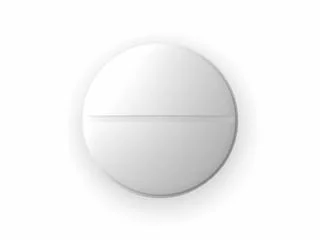
Neomercazole
5 · 10mg
Carbimazole 5mg and 10mg tablets, used in the management of hyperthyroidism. It blocks thyroid peroxidase, so T3 and T4 are not made.
From$0.21/ tabletView
Hyperthyroidism occurs when the thyroid gland makes more hormone than the body needs. The excess thyroxine accelerates metabolism, which can affect nearly every organ system. It is particularly common in populations where autoimmune thyroid disease is more prevalent.
5 · 10mg
Carbimazole 5mg and 10mg tablets, used in the management of hyperthyroidism. It blocks thyroid peroxidase, so T3 and T4 are not made.
The signs come on gradually and are easy to dismiss early. A persistently fast or irregular heartbeat, unexplained weight loss despite a good appetite, and feeling hot when others do not are the classic cluster. Anxiety, trembling hands, loose stools, and disturbed sleep are also common. In some people the eyes appear wider or begin to protrude, a feature associated with Graves’ disease, the most frequent cause.
Antithyroid medicines are usually the first approach. They work by blocking the thyroid’s ability to synthesise new hormone. Carbimazole and thiamazole are the two drugs most widely used for this; carbimazole is converted in the body to thiamazole, so both act through the same mechanism. Treatment typically continues for twelve to eighteen months, during which the dose is adjusted as levels normalise. More information on the thyroid health category page covers the broader range of options available.
If a heartbeat becomes very fast or you develop a fever with a sore throat while on antithyroid treatment, seek medical attention promptly, as these need assessment without delay.

22 Sept 2026 ⋅ 8 min read
Levothyroxine has more rules about what else is in your stomach than almost anything in the cabinet, and every article explains them with coffee and cereal. Here the breakfast is different, the fortified soy milk is different, and the iron supplement is very common.
Read guide