
Herpes Zoster
Herpes zoster, commonly called shingles, is caused by the varicella-zoster virus reactivating after lying dormant in nerve tissue, sometimes for decades after a chickenpox infection. The result is a painful, blistering rash that typically appears in a band across one side of the chest, back, or face. Most adults carry the virus from childhood chickenpox, so the lifetime risk of shingles is substantial.

Key points
- Burning or shooting nerve pain typically appears days before any rash becomes visible on the skin.
- A minority, often older people, are left with lingering nerve pain well after the skin has cleared up, known clinically as post-herpetic neuralgia.
- Starting antiviral treatment within three days of the rash appearing shortens the episode and lowers the odds of lasting nerve pain afterward.
The pain comes first
Before any rash appears, most people notice several days of burning, shooting, or prickling pain in a localised area, often accompanied by sensitivity to touch. The blisters follow, usually crusting over within two to four weeks. In some people, particularly older adults, nerve pain persists long after the skin heals, a complication called post-herpetic neuralgia.
Starting antivirals early matters
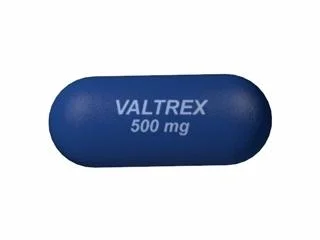
Antiviral medicines work best when taken within 72 hours of the rash appearing. Famciclovir and valaciclovir are both well-established options from the antivirals category; they shorten the duration of the episode and reduce the severity of pain. Prompt treatment also lowers the risk of post-herpetic neuralgia.
Seek urgent medical attention if the rash appears near the eye, if you develop facial weakness, or if you have a condition that affects your immune system.