
Herpes Simplex
Herpes simplex is a lifelong but manageable viral infection caused by herpes simplex virus type 1 (HSV-1) or type 2 (HSV-2). HSV-1 most commonly causes cold sores around the mouth; HSV-2 is the usual cause of genital herpes. Both types are widespread globally, where high population density and limited awareness of asymptomatic shedding contribute to transmission.
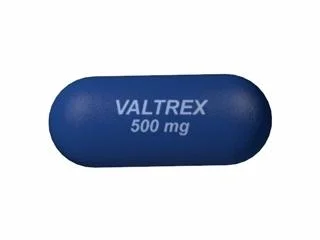
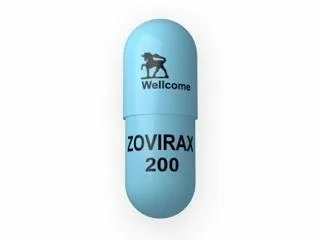

Key points
- Early warning signs such as localised tingling usually precede the appearance of small blisters that crust over within about two weeks.
- Some antiviral options are processed by the body more efficiently, cutting the number of daily doses required.
- Frequent recurrences may justify switching to continuous daily therapy, which markedly cuts flare-ups and lowers the chance of passing the virus on.
Outbreaks and what triggers them
After the first infection the virus lies dormant in nerve tissue and can reactivate. Common triggers include stress, fever, illness, sunlight, hormonal changes, and immune suppression. Outbreaks typically begin with tingling or itching, followed by clusters of small fluid-filled blisters that crust over and heal within one to two weeks. Genital outbreaks may also cause discomfort when urinating.
Antiviral treatment
Antivirals shorten the duration of outbreaks and reduce their frequency. The three standard options are aciclovir, valaciclovir, and famciclovir. Valaciclovir and famciclovir are absorbed more efficiently, so they require fewer daily doses. For people with frequent outbreaks (six or more per year), continuous suppressive therapy cuts recurrence rates significantly and also lowers the risk of passing the virus to partners.
See a doctor promptly if sores are severe or spreading, if you have eye pain or visual changes (ocular herpes), or if you are immunocompromised and develop any outbreak.