
Genital Herpes
Genital herpes is a sexually transmitted infection caused by herpes simplex virus type 2 (HSV-2) or, less commonly, HSV-1. It is one of the most prevalent STIs worldwide, with many people carrying the virus without knowing it. Symptoms vary widely: some people never have a noticeable outbreak, while others experience recurrent episodes throughout their lives.
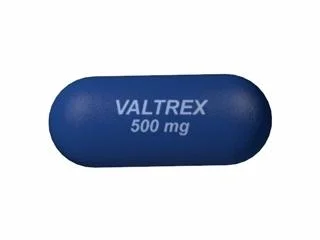

Key points
- The virus stays dormant in nerve tissue between episodes and can reactivate when triggered by stress or illness.
- Antiviral treatment does not eliminate the infection but reduces how frequently outbreaks happen and how severe they are.
- Some people take medicine only when symptoms start, while others take it daily to reduce recurrences and lower transmission risk.
What an outbreak looks and feels like
The first episode is usually the worst. It typically brings tingling or burning in the genital area, followed by small blisters that break open and heal over one to three weeks. Subsequent outbreaks are generally shorter and milder. Common triggers include stress, illness, sun exposure, and hormonal changes. Between outbreaks the virus lies dormant in nerve tissue and causes no symptoms, though low-level viral shedding can still occur.
Antiviral treatment
Antivirals do not clear the virus from the body, but they meaningfully reduce how often outbreaks happen, how severe they are, and how long they last. Valaciclovir and famciclovir are both well-established options; they work by blocking viral replication. Treatment can be taken at the first sign of an outbreak (episodic therapy) or taken daily to suppress recurrences and lower the chance of passing the virus to a partner (suppressive therapy).
See a doctor if you develop fever, difficulty urinating, or widespread sores during a first episode, as these may need closer attention.