
Hypertension
Hypertension is blood pressure that stays high reading after reading. Most people feel nothing, which is why it is often picked up only at a routine check or after a problem has already started. Left unchecked over years, the strain it puts on arteries, the heart, the kidneys and the brain quietly builds, raising the risk of stroke and heart attack.
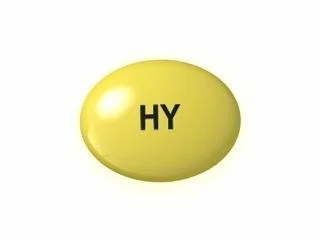
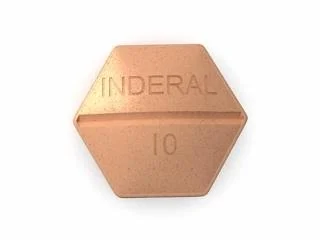
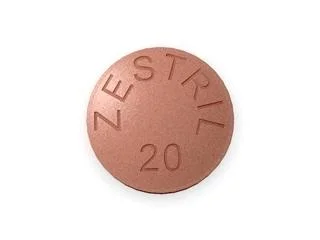
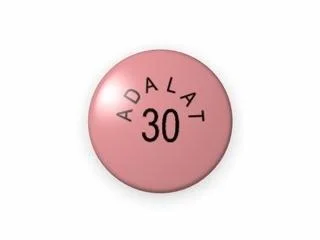
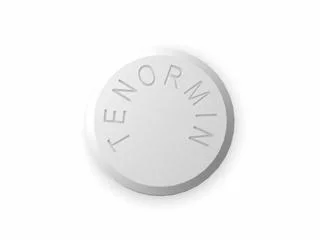
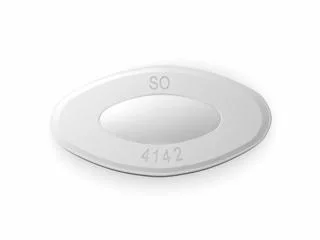
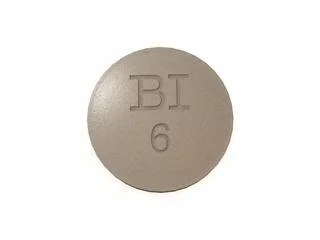

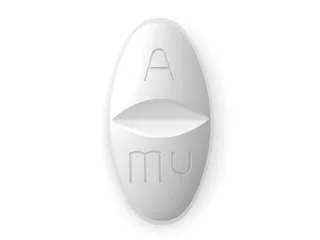
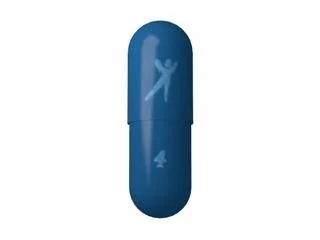
Inderal LA
40mg
Inderal LA is propranolol 40mg in a modified-release capsule for hypertension, angina, migraine prophylaxis and essential tremor. Both beta-1 and beta-2.

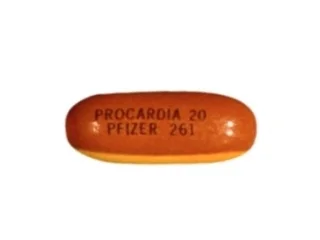
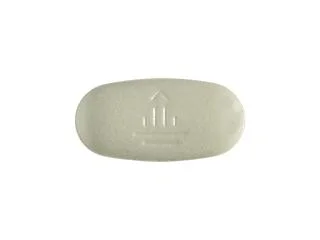
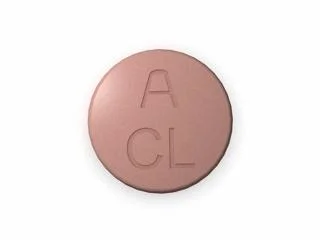
Candesartan Tablets
4 · 8 · 16mg
Candesartan 4mg, 8mg and 16mg tablets, used in the management of hypertension and chronic heart failure. An angiotensin II receptor blocker.
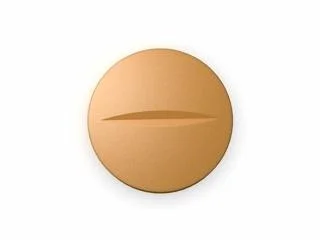
Amiloride Tablets
5mg
Amiloride 5mg tablets, used in the management of hypertension and oedema. A potassium-sparing diuretic: sodium and water leave, potassium is held back.

Azilsartan and Chlorthalidone Tablets
40/12.5mg
Azilsartan with chlorthalidone as a 40/12.5mg film-coated tablet for hypertension. An angiotensin receptor blocker paired with a thiazide-like diuretic.
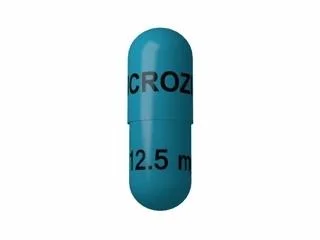
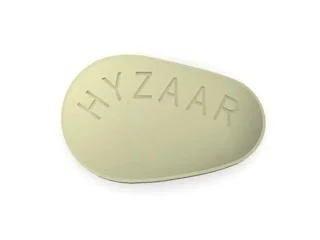


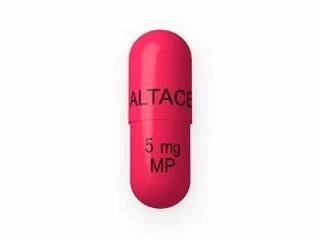

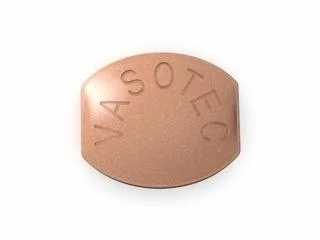
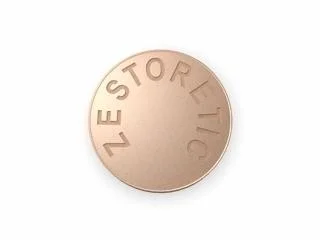
Zestoretic
Lisinopril, Hydrochlorothiazide
5/12.5g/mg
Lisinopril with hydrochlorothiazide as a tablet for hypertension. Two pathways at once: less angiotensin II, and more salt and water out.


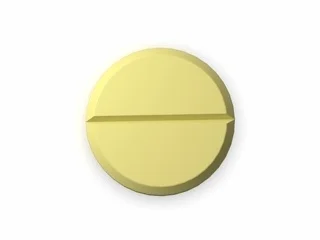
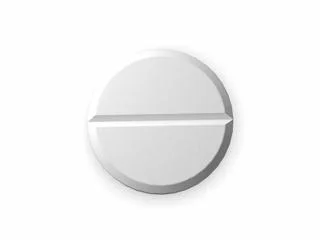
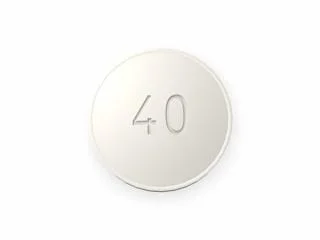
Isoptin SR
120 · 240mg
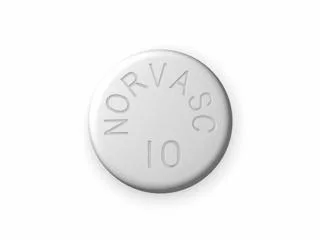
Isoptin SR is verapamil 120mg and 240mg in a modified-release tablet for hypertension, angina and arrhythmia, blocking calcium influx across the day.
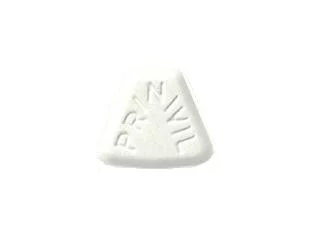


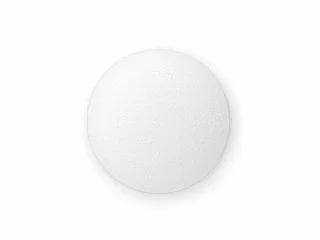

Edarbyclor
40/12.5mg
Edarbyclor pairs azilsartan with chlorthalidone in a 40/12.5mg tablet for hypertension, adding renal salt and water excretion to receptor blockade.


Vaseretic
Enalapril, Hydrochlorothiazide
10/25mg
Enalapril with hydrochlorothiazide as a 10/25mg tablet for hypertension. An ACE inhibitor to relax the vessels, a diuretic to shed salt and water.

Ziac
Hydrochlorothiazide, Bisoprolol
2.5/6.25mg
Hydrochlorothiazide with bisoprolol as a 2.5/6.25mg film-coated tablet for hypertension. A cardioselective beta-blocker paired with a thiazide.



Tribenzor
Olmesartan, Amlodipine, Hydrochlorothiazide
20/5/12.5 · 40/5/12.5mg
Olmesartan, amlodipine and hydrochlorothiazide in one film-coated tablet for hypertension. Receptor blockade, calcium blockade and a diuretic together.

Apresoline
25mg
Hydralazine 25mg tablets, used in the management of hypertension and heart failure. A vasodilator that relaxes arterial smooth muscle directly.
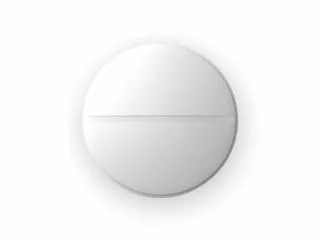
Micardis HCT
Telmisartan, Hydrochlorothiazide
40/12.5 · 80/12.5mg
Micardis HCT pairs telmisartan with hydrochlorothiazide in 40/12.5mg and 80/12.5mg tablets for hypertension, a sartan with a thiazide diuretic.
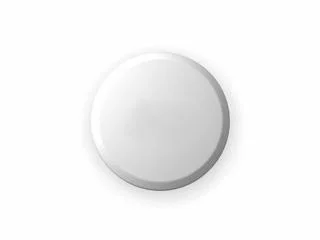

Benicar HCT
Olmesartan, Hydrochlorothiazide
20/12.5 · 40/12.5mg
Benicar HCT pairs olmesartan with hydrochlorothiazide in 20/12.5mg and 40/12.5mg tablets for hypertension, adding a diuretic to the receptor blocker.
Key points
- The condition rarely announces itself with symptoms, which is why blood pressure needs to be measured rather than guessed at.
- One elevated measurement alone does not settle the diagnosis; clinicians look for a consistent pattern over repeated checks or extended monitoring.
- Treatment often pairs medicines with different actions, such as relaxing blood vessels directly or blunting the hormones that constrict them.
Why hypertension often goes unnoticed
The body adapts to slowly rising pressure, so there are usually no clear warning signs. Some people get headaches, blurred vision or nosebleeds when readings climb very high, but these are not reliable. The only way to know is to measure. A single high reading is not a diagnosis; it is the pattern across several days, or a 24-hour monitor, that matters. Home monitors are inexpensive and worth keeping if you have a family history or a borderline result.
What pushes blood pressure up
Age, family history and being overweight all play a part, alongside diets heavy in salt and processed food, low activity, heavy drinking and ongoing stress. Salt intake is a particular issue where soy sauce, fish sauce, instant noodles and pickled foods are everyday staples, and hypertension is often diagnosed late as a result. Smaller, steady changes to salt, weight and movement can shift the numbers more than people expect.
How hypertension is treated
Many people start with lifestyle changes, and medicines are added when readings stay high. Several drug families work in different ways and are often combined at low doses. Calcium channel blockers such as amlodipine and verapamil relax the arteries, while lisinopril and the angiotensin blocker olmesartan ease the hormonal signals that tighten vessels. A diuretic like hydrochlorothiazide clears excess fluid and salt, and a beta blocker such as metoprolol slows a fast or forceful heartbeat. You can see the full range on our heart and blood pressure page. Because untreated pressure also threatens the brain, keeping it in range is part of protecting long-term neurological health.
Further reading
Related articles

9 Aug 2026 ⋅ 9 min read
Blood Pressure Medicine in a Hot Climate: Why the Dose That Worked Back Home Feels Wrong
Heat changes what a blood pressure medicine does to you, and the dizziness that starts a few weeks after moving is usually the two things meeting. Which classes the heat compounds, what a home reading is really telling you, and the mistake people make on the hottest days.
Read guide