
Dysfunctional Uterine Bleeding
Dysfunctional uterine bleeding (DUB) refers to abnormal bleeding from the uterus that has no obvious structural explanation, no fibroids, polyps, or pregnancy. It is driven by hormonal imbalance, most often a disruption in the normal oestrogen-progesterone cycle, and can produce periods that are too heavy, too long, too frequent, or entirely unpredictable.
Key points
- Bleeding occurs with no structural cause such as fibroids or polyps, driven instead by an imbalance between oestrogen and progesterone.
- Cycles that skip ovulation are a common cause, since without it progesterone cannot counterbalance oestrogen’s build-up of the womb lining.
- Progestogens such as medroxyprogesterone stabilise the uterine lining and are the main hormonal approach to controlling the bleeding.
Why the cycle goes off-balance
DUB is most common at the two hormonal extremes of reproductive life: adolescence, when the cycle is still becoming regular, and perimenopause, when ovarian function begins to fluctuate. Anovulatory cycles, cycles where ovulation does not occur, are a frequent driver. Without ovulation, progesterone is not produced in the usual amounts, so oestrogen continues to stimulate the uterine lining unchecked until it sheds irregularly and often heavily.
Stress, significant weight change, and thyroid disorders can all push the cycle into anovulation. Ruling these out is part of a standard assessment before treatment begins.
Regulating the bleed
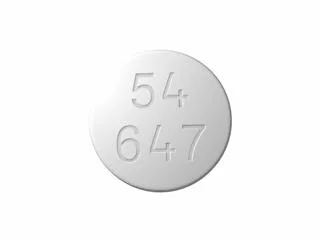
Hormonal therapy is the main approach to dysfunctional uterine bleeding. Progestogens are commonly used to counterbalance oestrogen and bring the cycle back under control. Medroxyprogesterone is one such option, used to stabilise the endometrium and reduce abnormal bleeding. Broader support for conditions like DUB sits within women’s health.
Heavy or prolonged bleeding that soaks through protection rapidly, or bleeding accompanied by severe pain or dizziness, warrants prompt medical review.