
Dermatosis
Dermatosis is a general medical term for any disease or disorder affecting the skin. It covers a wide spectrum, from simple inflammatory rashes to chronic conditions like eczema and seborrhoeic dermatitis. In humid climates, skin conditions tend to present more frequently and can be complicated by secondary fungal or bacterial infection.
Key points
- Dermatosis is an umbrella term covering skin problems from simple rashes to longer-term conditions such as eczema and seborrhoeic dermatitis.
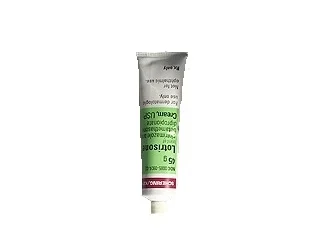
- Corticosteroids such as betamethasone calm inflammation and itching, while antifungals such as clotrimazole target any fungal element in the mix.
- Combination products pairing a corticosteroid with an antifungal are common, since dermatosis often involves more than one cause at once.
Topical treatment approaches
Many forms of dermatosis respond to topical agents. Corticosteroids such as betamethasone reduce inflammation and relieve itching in conditions like contact dermatitis and eczematous reactions. Where fungal involvement is suspected, such as in intertrigo or tinea-related dermatoses, antifungal treatments including clotrimazole are often used alongside or within skin care regimens. Combination products containing both a corticosteroid and an antifungal are common in clinical practice, precisely because mixed presentations are frequent in tropical environments.
If a skin condition is spreading rapidly, causing significant pain, or not improving after a couple of weeks of treatment, a doctor’s assessment is worthwhile to rule out a more serious underlying cause.