
Cystitis
Cystitis is a bacterial infection of the bladder lining. It is one of the most common infections worldwide, and women are affected far more often than men. Warm, humid climates can make hygiene and hydration habits especially relevant, but cystitis can affect anyone at any time of year.

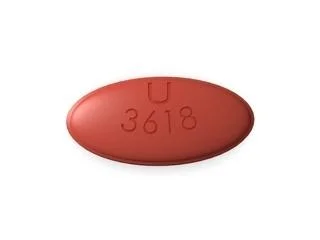
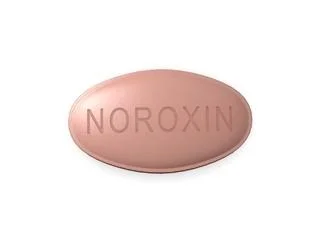

Furadantin
50 · 100mg
Nitrofurantoin 50mg and 100mg tablets, used for cystitis and urinary tract infection. Bacterial flavoproteins reduce it to reactive intermediates.
Key points
- This bladder-lining infection brings a stinging feeling when passing urine, along with a frequent, hard-to-ignore urge to go.
- A fever together with pain in the back or side may mean the infection has travelled up to the kidneys, needing prompt attention.
- A brief antibiotic course, using agents like nitrofurantoin or norfloxacin, resolves most straightforward cases quickly.
What the symptoms feel like
The hallmark is a burning or stinging sensation when passing urine, often accompanied by a strong and frequent urge to urinate even when the bladder is nearly empty. Urine may look cloudy or have an unusual smell. Some people notice dull pelvic pressure or discomfort in the lower abdomen. Fever is not typical with uncomplicated cystitis; if it appears alongside back or flank pain, the infection may have spread to the kidneys and needs prompt medical attention.
How cystitis is treated
A short course of antibiotics clears most uncomplicated cases within a few days. Commonly used agents include nitrofurantoin, which concentrates in the urinary tract, and norfloxacin, a fluoroquinolone active against the bacteria responsible for most bladder infections. Cefpodoxime, an oral cephalosporin, is another option that is widely used. Drinking plenty of water throughout treatment helps flush the bladder and eases discomfort.