
Chronic Hepatitis C
Chronic hepatitis C is a persistent liver infection caused by the hepatitis C virus (HCV). Unlike acute infection, which the body sometimes clears on its own, the chronic form persists for more than six months and can quietly damage the liver over years. HCV is a significant public health concern, and prevalence is particularly high among people who received blood products before widespread screening was introduced.
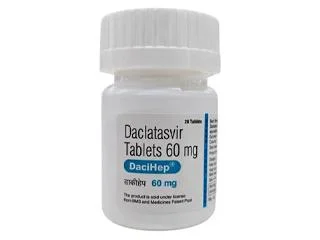






Key points
- Modern direct-acting antivirals taken for eight to twelve weeks cure more than 95 percent of cases.
- Sofosbuvir forms the backbone of many regimens, commonly paired with ledipasvir, velpatasvir or daclatasvir depending on the viral genotype.
- Alcohol markedly speeds up liver fibrosis and is best avoided both before and during treatment.
- Even after a confirmed cure, anyone who already had advanced fibrosis may still need ongoing liver surveillance, since cirrhosis carries lasting cancer risk.
How HCV damages the liver over time
The virus replicates inside liver cells, triggering ongoing inflammation. Most people have few or no symptoms for decades, which is why chronic hepatitis C is often found incidentally during routine blood tests. Over time, repeated inflammation can lead to fibrosis (scarring), cirrhosis, and in some cases hepatocellular carcinoma. A simple blood test confirms active infection; a liver stiffness scan or biopsy can assess how much fibrosis has already occurred.
Direct-acting antivirals: the modern treatment
Current treatment uses combinations of direct-acting antivirals (DAAs) taken orally for 8 to 12 weeks, with cure rates above 95 percent. Sofosbuvir is a backbone ingredient in many regimens, often paired with ledipasvir, velpatasvir, or daclatasvir. Ribavirin is added in certain harder-to-treat genotypes. Tenofovir disoproxil may be used where HCV and hepatitis B or HIV coinfection are present. These medicines fall within the broader antivirals category and have largely replaced older interferon-based regimens. The right combination depends on the HCV genotype and the degree of liver damage already present.
Life alongside treatment
Alcohol accelerates liver fibrosis significantly and should be avoided during, and ideally well before, treatment. Certain common medicines, including some herbal preparations, interact with DAAs, so it is worth reviewing everything taken regularly before starting a course. After a confirmed cure (undetectable viral load 12 weeks post-treatment), liver surveillance may still be recommended for anyone who had advanced fibrosis, as cirrhosis itself carries residual cancer risk even after the virus is gone.
Further reading
Related articles

6 Aug 2026 ⋅ 9 min read
Hepatitis B in Asia: What a Positive Test Actually Means
A visa or employment medical turns up a hepatitis B result and nobody explains it. Why the infection is common across this region and uncommon where you came from, what carrier really means, why many people are monitored rather than treated, and the one thing never to do alone.
Read guide