
Eflornithine
Eflornithine is a topical medication used to slow the growth of unwanted facial hair. The most recognized formulation is Vaniqa. This cream is utilised by women to manage specific hair growth conditions. We currently list one product formulation on this page for those seeking this preparation.
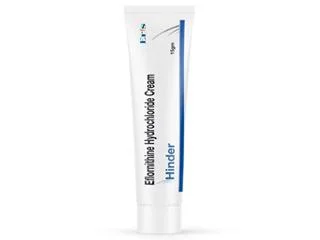
Key points
- Applied daily to the skin, it inhibits an enzyme needed for hair follicle growth, gradually reducing hair density and thickness.
- Specifically formulated for hirsutism, the excess or unwanted facial and chin hair growth that can affect women.
- Sold as the cream Vaniqa, meant for external use only so the active ingredient can be absorbed steadily through the skin.
What is Eflornithine?
Eflornithine is a medicated cream applied directly to the skin. It acts on the enzyme responsible for hair follicle growth, resulting in a reduction of hair density and thickness. It is designed for daily application to target areas where hair growth appears excessive or unwanted.
What Eflornithine is used for
This medication is primarily indicated for the management of Hirsutism. This condition is characterized by excessive or unwanted hair growth in women, often appearing on the face or under the chin. As part of a routine for Women’s Health, this treatment targets the biological process of hair development to limit further growth.
Eflornithine brands and forms
Eflornithine is typically available as a topical cream, with Vaniqa being the primary brand name. This formulation is intended for external use only, allowing for steady absorption into the skin to reach the hair follicles. It is a key item within our Skin Care collection.