
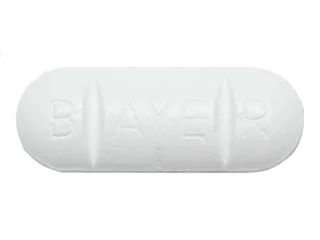
Biltricide
600mg
Praziquantel 600mg tablets, used for schistosomiasis and liver flukes. It makes the parasite's membrane permeable to calcium, causing paralysis.
From$2.34/ tabletView
Schistosomiasis is a parasitic infection caused by blood flukes of the genus Schistosoma. People become infected by wading or swimming in freshwater where the larvae are present. It is one of the most widespread parasitic diseases in tropical and subtropical regions, where it remains a documented public health concern.
600mg
Praziquantel 600mg tablets, used for schistosomiasis and liver flukes. It makes the parasite's membrane permeable to calcium, causing paralysis.
Early exposure can trigger an itchy rash at the site of skin penetration. Within weeks, some people develop fever, chills, muscle aches, and a cough as the parasites migrate through the body. Chronic infection, which can persist for years without obvious symptoms, is the more serious phase: the immune response to parasite eggs lodged in tissue drives inflammation in the liver, intestines, or bladder, potentially causing organ damage over time.
Praziquantel is the standard treatment and works against all major Schistosoma species. It is given as a single-day course and clears the adult worms reliably. It sits within the broader antiparasitics drug class. Anyone who has had freshwater exposure in an endemic area and develops the symptoms above should seek medical assessment, as a stool, urine, or blood test is needed to confirm the diagnosis before treatment.