
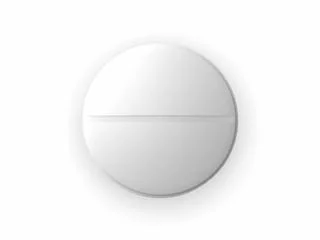
Bromhexine Tablets
8mg
Bromhexine 8mg tablets, used for respiratory tract disorders with thick, sticky mucus. A mucolytic that thins secretions so they clear more easily.
From$0.77/ tabletView
Some respiratory conditions produce mucus that is unusually thick and sticky. When secretions become viscid, the airways struggle to clear themselves, trapping bacteria and irritants and prolonging symptoms such as a productive cough, chest tightness, and breathlessness. Conditions commonly linked to this problem include chronic bronchitis, bronchiectasis, and episodes of acute infection that worsen underlying lung disease.
8mg
Bromhexine 8mg tablets, used for respiratory tract disorders with thick, sticky mucus. A mucolytic that thins secretions so they clear more easily.
The main treatment aim is to reduce the viscosity of secretions so they can be coughed up more easily. Mucolytic agents work by breaking down the chemical bonds in mucus, making it thinner and easier to clear. Bromhexine is a well-established mucolytic used widely for exactly this purpose, and it sits within the broader respiratory health approach of keeping airways open and secretions mobile. Staying well hydrated supports the same goal, as adequate fluid intake prevents mucus from thickening further. Breathing exercises and chest physiotherapy can also help shift stubborn secretions, particularly in people with long-term lung conditions.
If you develop fever, coughing up blood, or worsening breathlessness that comes on quickly, seek medical attention promptly.