
Primary Biliary Cholangitis
Primary biliary cholangitis (PBC) is a chronic autoimmune liver disease in which the immune system gradually destroys the small bile ducts inside the liver. Bile backs up, causing inflammation and, over years, scarring. Most people diagnosed are women over 40, and the condition is often found incidentally during routine blood tests before any symptoms appear.

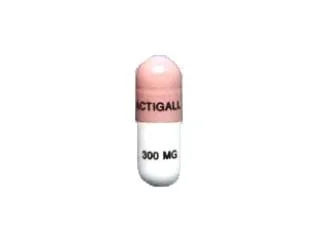
Key points
- Diagnosis often happens by chance, through a routine blood test in a woman over 40 who has no symptoms yet.
- Ursodeoxycholic acid, a naturally occurring bile acid, is the main treatment and can slow liver damage when started early and used consistently.
- Persistent itching, fatigue or right-sided abdominal discomfort are flagged as reasons to seek a doctor’s assessment of liver function.
Slowing the progression of primary biliary cholangitis
There is no cure, but treatment can significantly slow liver damage and reduce symptoms such as fatigue and itching. The mainstay is ursodeoxycholic acid, a naturally occurring bile acid that improves bile flow and reduces the toxic build-up that injures liver cells. When started early and taken consistently, it lowers liver enzyme levels and, in many patients, delays progression to cirrhosis.
PBC sits within the broader field of digestive health care. Regular monitoring through blood tests (liver enzymes, bilirubin) and periodic imaging remains essential, as response to treatment guides long-term management. Anyone experiencing unexplained itching, right-side abdominal discomfort, or persistent fatigue should discuss liver function testing with a doctor.