
Peripheral Arterial Disease
Peripheral arterial disease (PAD) occurs when fatty plaques build up inside the arteries that carry blood to the legs and feet. Blood flow slows, and tissues downstream receive less oxygen than they need. The most common sign is claudication, a cramping or aching in the calf, thigh, or buttock that comes on during walking and fades with rest. In more severe cases, pain may occur at rest, or sores on the feet may heal poorly.
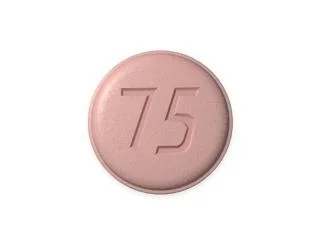
Key points
- Fatty deposits build up inside leg arteries, cutting the blood supply reaching the feet and lower limbs.
- An aching or cramping sensation in the calf, thigh or buttock that begins during walking and settles with rest is the typical clue.
- Because narrowed vessels also invite clots, a medicine that stops platelets clumping together is a standard safeguard.
- A limb that suddenly turns cold, pale or numb needs emergency treatment straight away.
Reducing clot risk in PAD
The narrowed arteries of PAD also raise the risk of blood clots forming and blocking flow entirely. Antiplatelet medicines, which make platelets less likely to clump together, are a standard part of managing this risk. Clopidogrel is one of the most widely used antiplatelet agents for PAD. Alongside medication, stopping smoking, controlling blood pressure and blood sugar, and staying as physically active as possible all slow the disease’s progression. A doctor can assess whether intervention such as angioplasty is appropriate for more advanced cases.
If you notice a sudden cold, pale, or numb limb, seek emergency care immediately as this may indicate acute arterial blockage.