
Oestrogen Deficiency
Oestrogen deficiency happens when the ovaries produce less oestrogen than the body needs. It is most common during the perimenopause and menopause, but can also follow surgical removal of the ovaries, certain cancer treatments, or prolonged low body weight. Typical signs include hot flushes, night sweats, vaginal dryness, mood changes, and accelerated bone loss. Women everywhere experience the same hormonal shift, though cultural and dietary factors can influence how symptoms present and how readily they are discussed.
Key points
- Falling oestrogen most often follows the menopause but can also result from ovary removal, cancer treatment or long-term very low body weight.
- Vaginal dryness, low mood, hot flushes and a quicker loss of bone density are among the common symptoms, alongside night sweats.
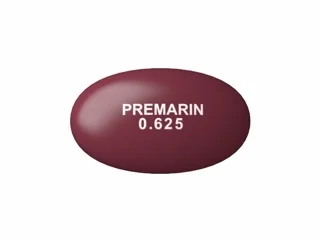
- Conjugated oestrogens, a well-studied form of hormone replacement therapy, are usually prescribed at the lowest dose for the shortest necessary time.
Replacing what the body no longer makes
The main treatment approach is hormone replacement therapy (HRT), which restores circulating oestrogen to relieve symptoms and protect bone density. Conjugated oestrogens are a well-studied form derived from natural sources and are used in standard HRT regimens. These fall under women’s health medicines and are usually taken at the lowest effective dose for the shortest time needed. If symptoms are severe or bone loss is a concern, a doctor can assess whether ongoing use is appropriate after weighing individual cardiovascular and other risk factors.