
Muscle Spasm
A muscle spasm is a sudden, involuntary contraction that can strike any skeletal muscle. The affected area tightens, often painfully, and resists movement for seconds to several minutes. Back, neck, and leg muscles are the most common sites.

Key points
- The affected muscle tightens suddenly and painfully, resisting movement for anywhere from seconds to minutes, most often in the back, neck or legs.
- Overexertion and dehydration are the most frequent triggers, alongside prolonged sitting, electrolyte imbalance, nerve compression and poor posture.
- When spasms persist despite rest and stretching, muscle relaxants such as cyclobenzaprine are typically used short-term alongside physiotherapy rather than as a lasting solution.
- Marked weakness, loss of control over bladder or bowel, or a spasm after a fall or spinal injury need prompt medical assessment.
What triggers a spasm
Overexertion and dehydration are the two most frequent causes, particularly in hot, humid climates where fluid loss through sweating is high. Sitting for long periods, common in desk-heavy work cultures, strains the lower back and neck. Acute injury, poor posture, nerve compression, and electrolyte imbalance can all trigger the same response.
Relaxing the muscle
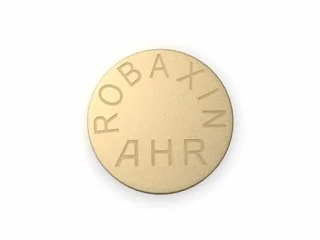
Most episodes settle with rest, gentle stretching, heat applied to the area, and adequate fluid intake. When spasms are severe or persist despite self-care, muscle relaxants are the standard medical approach. Agents such as methocarbamol, metaxalone, and cyclobenzaprine work centrally to reduce the muscle’s firing rate and ease pain. They are typically used for short courses alongside physiotherapy rather than as a standalone long-term solution. Browse the full pain management range for related options.
If spasms are accompanied by significant weakness, loss of bladder or bowel control, or follow a fall or injury to the spine, seek medical assessment promptly, these can signal a more serious underlying problem.