
Migraine
Migraine is a neurological condition characterised by recurring attacks of moderate to severe, often one-sided headache. Most attacks last 4 to 72 hours and come with nausea, vomiting, or heightened sensitivity to light and sound. It is one of the most common disabling conditions worldwide.
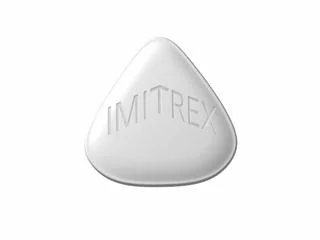
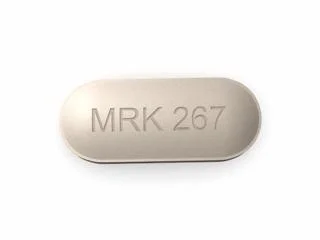

Zolmitriptan Nasal Spray
5mg
Zolmitriptan 5mg as a nasal spray for migraine, a triptan taken through the nose when swallowing a tablet is difficult.
Key points
- Roughly a third of those affected notice a short aura beforehand, flickering lights or blind spots that usually clear within half an hour.
- Warning signs such as tiredness, mood change or unusual food cravings can appear hours before the headache itself begins.
- Triptans, the standard first-line treatment for moderate to severe attacks, ease pain by narrowing swollen blood vessels in the brain and interrupting pain signalling.
- Sudden thunderclap pain, headache with fever and neck stiffness, or new weakness or speech trouble need urgent medical review.
How attacks unfold
Many people recognise a prodrome, fatigue, mood shifts, or food cravings, hours before pain starts. About a third of migraine sufferers experience aura: brief visual disturbances such as flickering lights or blind spots that typically last 20 to 30 minutes. The headache phase that follows can be severe enough to stop daily activity entirely.
Treating a migraine attack
Triptans are the first-line medicines for moderate-to-severe attacks. They work by narrowing dilated cranial blood vessels and blocking pain signals. Options available in our neurology range include sumatriptan, the longest-established triptan; rizatriptan, which dissolves quickly and suits people who cannot swallow tablets during an attack; and zolmitriptan, which is also available as a nasal spray. Taking any triptan as early as possible in an attack generally gives the best result.
Reducing how often attacks occur
Trigger identification is valuable: common triggers include disrupted sleep, dehydration, skipped meals, and stress. In hot, humid climates, keeping well-hydrated and avoiding prolonged sun exposure can reduce attack frequency. A simple headache diary recording timing, duration, and suspected triggers helps identify personal patterns and guides any further management.
Seek urgent medical attention if you experience a sudden, thunderclap headache unlike any before, headache with fever and stiff neck, or new neurological symptoms such as weakness or speech difficulty.